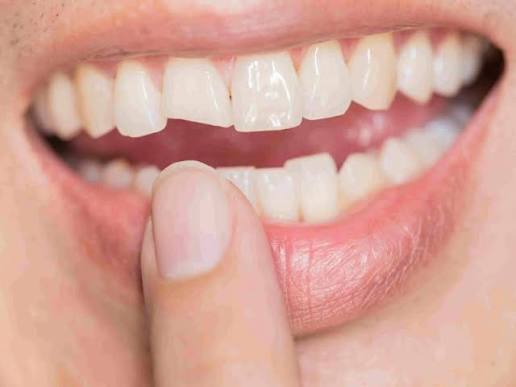
Does Losing a Single Tooth Affect the Rest of Your Teeth?
Does Losing a Single Tooth Affect the Rest of Your Teeth? What Happens Inside the Mouth Over Time?
At first, losing one tooth may appear minor, especially when it is not visible or causes no immediate discomfort.
However, teeth do not function independently within the mouth.
Each tooth occupies a specific position and plays an important role in distributing chewing forces while helping maintain the stability of neighboring and opposing teeth. When one of these teeth is lost, the oral system begins adapting to the change in ways that may not be immediately noticeable.
Losing a single tooth can disrupt the function and health of the entire mouth over time.
Does Losing a Single Tooth Affect the Rest of Your Teeth?
One of the most common questions patients ask after losing a tooth is:
"If I can still eat normally, what's the problem with waiting?"
The answer varies, but teeth work together to keep your bite balanced during chewing, speaking, and jaw closure.
How Do Teeth Function as an Interconnected System?
When teeth are in their natural positions, they support one another and help distribute chewing forces evenly.
Each tooth also contributes to maintaining the position of adjacent teeth and the opposing teeth in the opposite jaw.
Why Doesn't the Impact Stay Limited to the Missing Tooth?
When a tooth is lost, part of this balance disappears.
The mouth adapts, leading to gradual changes in some teeth or bite function.
These changes often emerge gradually over months or years.
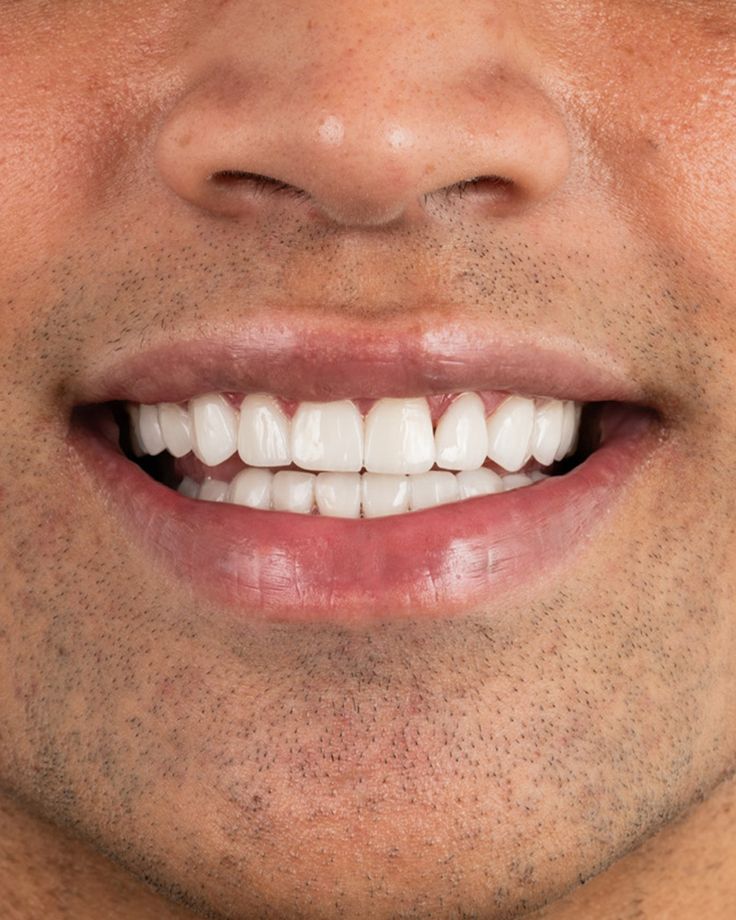
What Happens to the Adjacent Teeth After Tooth Loss?
One of the most common consequences of tooth loss involves the teeth neighboring the space.
Why Do Adjacent Teeth Tend to Drift Into the Gap?
Teeth maintain their position partly through contact with neighboring teeth.
When one tooth is lost, adjacent teeth may gradually tilt or drift toward the space.
The amount of movement varies by age, bite, and other factors.
How Can This Affect Tooth Alignment?
As teeth shift, dental arch alignment often changes.
This may make some areas harder to clean.
Does This Happen to Every Patient?
Not necessarily.
Some patients notice changes over time; others experience only minor shifts.
This risk of broader changes underlines why missing teeth require prompt evaluation.
What Happens to the Opposing Tooth?
Effects are not limited to nearby teeth.
The tooth located in the opposite jaw may also be affected.
What Is Overeruption?
The opposing tooth may slowly extend into the gap left by the missing tooth.
This condition is known as overeruption.
Why Does the Opposing Tooth Move?
Without its usual contact, the opposing tooth loses some support and may shift position.
This can eventually lead to movement.
How Can This Affect the Bite?
These shifts can change how teeth meet and affect future treatment options.
Can Your Bite Change After Tooth Loss?
The bite, or occlusion, refers to the way the upper and lower teeth come together when the mouth closes.
How Can One Missing Tooth Affect Occlusal Balance?
Losing a tooth alters the distribution of chewing forces.
This can change how teeth contact each other.
Do Patients Always Notice These Changes?
Not necessarily.
Many bite changes develop slowly and go unnoticed without a dental exam.
Personal perception alone can't reliably judge the effects of tooth loss.
How Does Losing One Tooth Affect Chewing?
The body naturally adapts to changes, and tooth loss is no exception.
Uneven Distribution of Chewing Forces
When a tooth is missing, chewing forces may no longer be evenly distributed.
Some teeth may bear extra force.
Favoring One Side While Chewing
Some patients unconsciously chew more on one side.
This is a common, natural adaptation over time.
Increased Stress on Certain Teeth
Increased force on fewer teeth can stress them and any restorations.
Can New Problems Develop Over Time?
The effects of tooth loss are often not immediate.
However, some changes may become more noticeable over time.
Difficulty Cleaning Certain Areas
Shifting teeth can make some areas harder to clean well.
Increased Plaque and Food Accumulation
Misaligned teeth trap more plaque and food without good oral hygiene.
Additional Stress on Teeth and Restorations
Changes in the force distribution can strain teeth, crowns, or bridges.
These effects are not universal among patients.
There is no single rule that applies to all cases.
The nature and speed of these changes depend on several factors, including:
- The patient's age
- The location of the missing tooth
- The number of missing teeth
- The health of the gums and supporting bone
- The individual's bite pattern
- How long the space remains untreated
This is why clinical evaluation is essential for predicting the possible effects of a missing tooth.
Does Every Missing Tooth Require the Same Treatment?
Not every missing tooth requires the same treatment.
The goal is to understand how tooth loss affects the mouth overall—not just to fill a gap.
In some situations, dental implants may be an appropriate option, while in others, alternative treatment approaches may be recommended.
Treatment decisions require a full evaluation of teeth, bone, bite, and overall oral health.
Successful treatment starts with diagnosis, not choosing a procedure.
When Is Evaluation Important?
Early evaluation clarifies the situation for the patient and dentist.
This doesn't mean immediate treatment, but it allows you to understand changes in teeth or bite.
Early assessment preserves more treatment options.
Conclusion
Losing a single tooth may seem like a minor concern initially. Key takeaway: Even one missing tooth can trigger gradual changes that affect adjacent and opposing teeth, as well as chewing function.
Teeth function as part of an interconnected system. When one component is lost, gradual changes may occur in the neighboring and opposing teeth, as well as in the distribution of chewing forces throughout the mouth.
For this reason, replacing a missing tooth is important not only for appearance but also to maintain functional balance and long-term oral health. Key takeaway: Early evaluation and treatment help preserve mouth stability.
You can contact Dr. Firat directly via WhatsApp regarding all matters related to dental implants: Click here