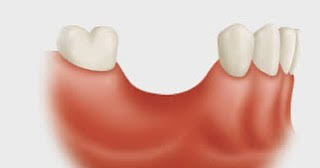
How Does Tooth Loss Affect the Jawbone
How Does Tooth Loss Affect the Jawbone? And Why Does Time Matter?
When someone loses one or more teeth, their attention is often focused on the gap left behind or on how the missing tooth affects chewing and appearance.
What many patients do not realize is that the changes are not limited to the teeth themselves. They can also affect the jawbone that once supported the missing tooth.
At first, there may be no noticeable difference, and everything may seem completely stable. However, gradual changes can begin within the jawbone—changes that are not visible to the naked eye but may influence the volume and shape of the bone over time.
Understanding the relationship between teeth and the jawbone helps explain why dentists emphasize the importance of evaluating missing teeth early, even when there is no pain or obvious problem.
What Is the Relationship Between Teeth and the Jawbone?
Many people think of bone as a fixed structure whose only purpose is to hold teeth in place. In reality, the relationship is far more dynamic.
Teeth and the jawbone are connected through a continuous functional relationship. Teeth do more than help us chew—they also play a vital role in maintaining the health of the bone that surrounds their roots.
How Do Tooth Roots Help Preserve Bone?
When we chew, chewing forces are transmitted from the teeth through their roots and into the surrounding bone.
This ongoing stimulation helps the bone maintain its density and volume, much like physical activity helps preserve muscle strength and bone health throughout the rest of the body.
What Happens to the Bone During Normal Function?
Throughout daily life, the jawbone is continuously exposed to functional forces generated by chewing, speaking, and other oral activities.
In response, the bone undergoes a constant process of remodeling and renewal, allowing it to adapt to functional demands while maintaining its structure and strength.
Why Does the Jawbone Begin to Shrink After Tooth Loss?
When a tooth is lost, the roots that once transmitted chewing forces to the surrounding bone are lost as well.
As a result, the bone in that area no longer receives the same level of natural stimulation it once did.
Loss of Natural Bone Stimulation
Bone is living tissue that responds to the functions it performs.
When the area surrounding a missing tooth no longer receives regular stimulation, the body begins adapting to the new situation by remodeling the bone in that region.
This process may lead to what is commonly known as jawbone resorption following tooth loss.
How Does the Body Adapt to a Missing Tooth?
The body is constantly adapting to change.
When a section of bone is no longer required to support a tooth and its function, that area may gradually decrease in volume over time.
This process does not necessarily indicate disease. Rather, it is a natural biological response to the absence of the tooth and the stimulation it once provided.
Does Bone Loss Begin Immediately After Tooth Extraction?
Bone changes typically begin after tooth loss, although they are usually not noticeable to the patient.
The rate and extent of these changes vary from one individual to another, so there is no single timeline that applies to every case.
Does Jawbone Resorption Occur in Every Patient?
Bone loss after tooth loss is common, but its severity and rate differ significantly among individuals.
Why Does Bone Loss Vary from Person to Person?
Several factors can influence how the bone responds after tooth loss, including:
- Age
- Overall health
- The health of the gums and supporting tissues
- The number of missing teeth
- The location of the missing teeth
- How long the space remains untreated
For this reason, some patients may experience only minimal bone changes, while others may develop more significant bone loss over time.
What Role Do Gum and Bone Health Play Before Tooth Loss?
The condition of the bone and gums before tooth loss also influences what may happen afterward.
In some patients, the bone is healthy and stable before losing a tooth. In others, bone loss may already be present due to gum disease or other underlying factors.
As a result, two patients who lose the same tooth may experience very different clinical outcomes.
How Can Bone Loss Be Detected?
One of the challenges associated with jawbone resorption is that patients are often unaware it is happening.
Are There Any Noticeable Symptoms?
In many cases, bone loss does not cause pain or obvious symptoms.
As a result, patients may assume that nothing has changed, even though clinical examinations or radiographic imaging reveal alterations in bone volume or shape.
What Can Be Seen on Clinical Examination and X-Rays?
Clinical assessments and dental imaging allow dentists to evaluate bone conditions more accurately.
These tools help determine the amount of remaining bone and identify factors that may influence future treatment options.
How Can Bone Loss Affect Future Treatment Options?
This is one of the primary reasons why evaluating missing teeth is so important.
The issue is not simply the bone itself—it is how changes in the bone may influence future treatment planning.
Why Do Some Cases Become More Complex Over Time?
As bone changes progress, certain cases may require additional treatment procedures compared with those evaluated earlier.
This does not mean treatment becomes impossible. However, treatment planning may become more complex under certain circumstances.
What Is the Relationship Between Bone Volume and Dental Implants?
When considering dental implants, bone is one of the most important factors evaluated during treatment planning.
The quantity and quality of available bone help the dentist determine whether implant treatment is feasible and what approach may be most appropriate for the patient.
Does Bone Loss Mean Dental Implants Are No Longer Possible?
Not necessarily.
The presence of bone loss does not automatically rule out dental implant treatment.
However, the most suitable treatment approach depends on the extent of the changes and the findings of the clinical examination and radiographic assessment.
Can Lost Bone Be Rebuilt?
In some situations, procedures may be available to improve or rebuild bone when necessary.
However, treatment decisions are not based solely on the presence of bone loss. They depend on a comprehensive evaluation of the patient's overall condition.
Why Does Treatment Differ From One Patient to Another?
There is no single treatment plan that works for everyone.
What may be appropriate for one patient may not be the best solution for another.
That is why successful treatment always begins with an accurate diagnosis and a thorough understanding of the individual case before any clinical decisions are made.
Should a Missing Tooth Be Replaced Immediately?
The purpose of discussing bone loss is not to pressure patients into making rushed treatment decisions.
At the same time, ignoring the problem or postponing evaluation for an extended period may not be the most beneficial approach either.
The key is understanding the current condition and knowing what is happening inside the mouth before making a decision.
Early assessment provides patients with a clearer picture of the condition of their bone, surrounding teeth, and available treatment options, allowing them to make informed decisions based on facts rather than assumptions.
When Is Bone Evaluation Important?
The earlier a missing tooth is evaluated, the easier it becomes to understand any existing changes and develop an appropriate treatment strategy.
This does not necessarily mean immediate treatment is required. Rather, it means obtaining accurate information that can help preserve future treatment options and support long-term oral health and stability.
Conclusion
The effects of tooth loss extend beyond the visible gap left behind. They may also involve the jawbone that once supported the missing tooth.
Over time, the bone can undergo gradual changes due to the absence of the natural stimulation previously provided by tooth roots during chewing.
For this reason, the goal is neither immediate treatment nor indefinite delay—it is to gain a clear understanding of the condition and make decisions based on an accurate diagnosis.
Early evaluation helps assess the current state of the bone and identify appropriate treatment options before additional changes occur that may affect future planning.
You can contact Dr. Firat directly via WhatsApp regarding all matters related to dental implants: Click here