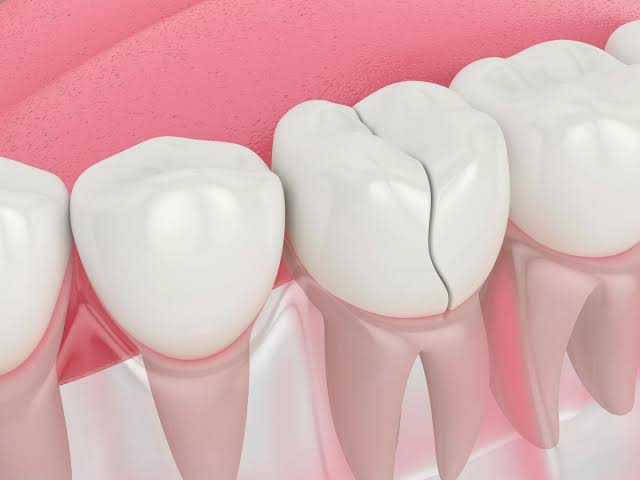
Can You Delay Replacing a Missing Tooth
Can You Delay Replacing a Missing Tooth? And When Does Waiting Become a Real Problem?
After losing a tooth, not every patient begins treatment right away.
Some people take time to consider their options or postpone treatment due to personal, work, or financial reasons. Others may feel treatment is not urgent if they don't notice problems.
As a result, one of the most common questions asked in dental practices is:
"Can I wait before replacing my missing tooth?"
The reality is that there is no single answer that applies to everyone.
Some patients may experience little or no significant change during a given period, while others may develop changes involving the jawbone, surrounding teeth, or the bite over time.
So, the question is not just about how long you can wait, but also what changes may occur during that time.
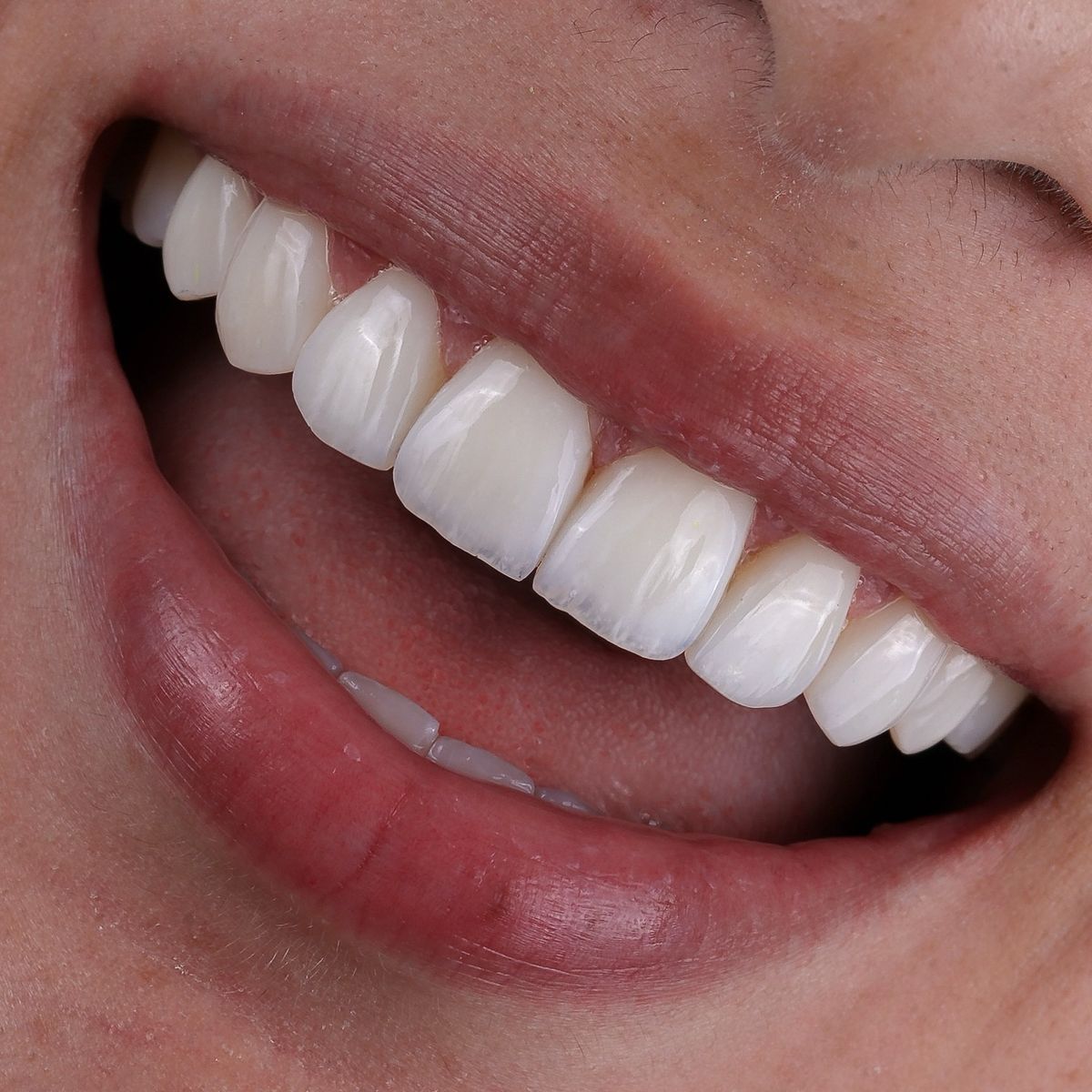
Can You Delay Replacing a Missing Tooth
Often, people wait between losing a tooth and starting treatment.
The best waiting period differs among patients.
To explain this further, consider why there is no universal answer.
The effects of tooth loss depend on the specifics of each case.
Factors that may influence the decision include:
- The location of the missing tooth
- The condition of the surrounding bone
- Gum health
- The number of missing teeth
- Bite characteristics
- Age and overall health
Therefore, only an individual clinical evaluation can determine the appropriate waiting period.
What Determines Whether Waiting Is Appropriate?
The decision involves more than just filling the gap.
It also depends on the stability of the surrounding teeth and bone, as well as the likelihood of changes that could affect future treatment options.
What Happens Inside the Mouth During the Waiting Period?
The body begins to adapt right after tooth loss.
The nature of this adaptation varies from person to person, but it may involve changes in the bone, teeth, or chewing function.
Changes That May Occur in the Jawbone
As discussed in previous articles, tooth roots play an important role in stimulating and maintaining the surrounding bone.
When a tooth is lost, the bone in that area may gradually change due to the loss of this natural stimulation.
These changes differ for every patient but always matter in planning treatment.
Changes That May Occur in Adjacent Teeth
Neighboring teeth can tilt or shift into the space left by the missing tooth.
The tooth in the opposite jaw can also move.
The extent of these changes varies depending on bite dynamics and other individual factors.
Changes in Chewing Patterns
Some patients chew more on one side after tooth loss.
In many cases, this adaptation happens unconsciously.
Over time, this may alter the distribution of chewing forces throughout the mouth.
A related concern is whether these changes begin immediately after tooth loss.
It is natural for patients to wonder whether these changes start as soon as a tooth is lost.
Why Does the Rate of Change Vary?
Patients respond differently to tooth loss.
Factors such as age, gum health, bone volume, and the location of the missing tooth can all influence how quickly changes occur.
Given these variations, can several months pass without noticeable changes?
Some patients notice no changes at first.
However, the absence of symptoms or visible changes does not necessarily mean that nothing is happening.
Certain changes can be accurately identified only through clinical examination and dental imaging.
This also explains why symptoms alone should not be trusted.
Many changes in bone or tooth position happen slowly and quietly.
Patients may feel stable, but exams often reveal change.
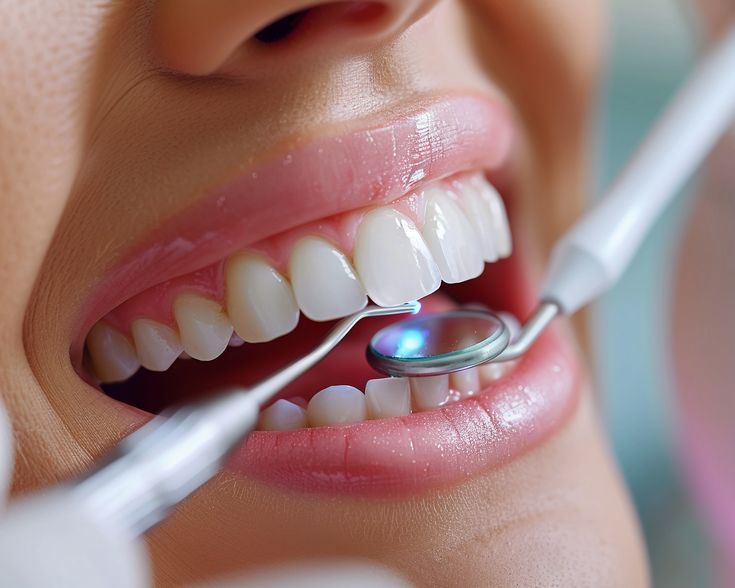
When Does Delaying Treatment Become a Real Problem?
This is one of the questions patients are most concerned about.
There is no single waiting period that applies to everyone.
Is the Problem the Waiting Period or the Changes That Occur?
In reality, the issue goes beyond just months.
The more important factor is whether changes are occurring that could affect the bone, surrounding teeth, or future treatment options.
When Can Delaying Treatment Affect Future Options?
In some cases, allowing changes to continue for an extended period may make certain treatment procedures more complex than they would have been at an earlier stage.
Treatment may require more planning or procedures, but it is not impossible.
All of these factors contribute to why the answer differs from one patient to another.
Every patient has unique circumstances related to bone health, bite function, and overall oral condition.
The right waiting period varies from person to person.
Are All Cases of Tooth Loss the Same?
Simply put: no.
Loss of a Front Tooth
When a front tooth is missing, aesthetic concerns are often more immediate than functional considerations.
Loss of a Back Tooth
Some think back teeth are less important because they are hidden.
Back teeth are crucial for chewing and for distributing force.
Loss of Multiple Teeth
As the number of missing teeth increases, the importance of evaluating their impact on oral function and long-term stability increases.
Existing Bone or Gum Problems
Existing gum or bone issues shape both planning and timing.
Given all this, does it mean treatment must start immediately?
Not necessarily.
The purpose of early evaluation is not to pressure patients into making a quick decision or beginning treatment right away.
Early evaluation lets you understand your situation before deciding.
Sometimes, a planned observation period works well.
But long delays in evaluation can be risky.
Accurate diagnosis is crucial for deciding if and when to replace a missing tooth safely.
Why Is an Early Consultation Important After Tooth Loss?
An early consultation gives both the patient and the dentist the opportunity to better understand the current condition.
It helps:
- Evaluate the condition of the jawbone.
- Assess neighboring teeth
- Analyze the bite and chewing function.
- Discuss available treatment options.
- Establish an appropriate timeline for the individual case.
As a result, decisions can be based on clinical findings rather than on assumptions or comparisons with others' experiences.
Conclusion
You can sometimes postpone replacing a missing tooth, but everyone’s case differs.
What happens during the waiting period depends on numerous factors, including the condition of the bone, surrounding teeth, bite, and overall oral health.
For this reason, the right decision depends on accurately evaluating the mouth's condition—not on how long you can wait.
Early diagnosis protects treatment options and allows patients to make informed decisions.
You can contact Dr. Firat directly via WhatsApp regarding all matters related to dental implants: Click here