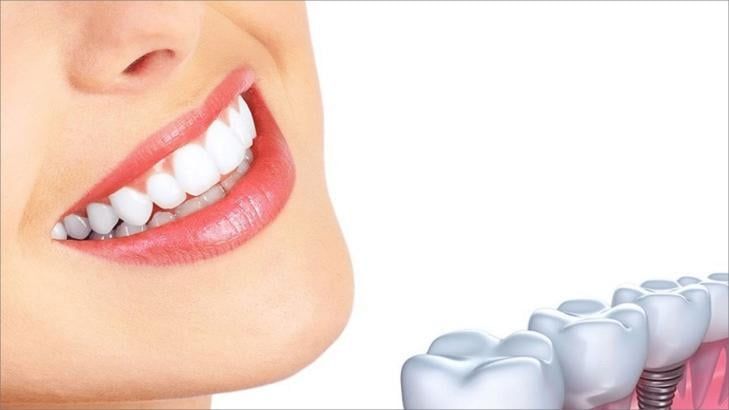
Is Everyone a Candidate for Dental Implants?
Is Everyone a Candidate for Dental Implants? How Does the Dentist Decide?
After many patients learn about dental implants as an option for replacing missing teeth, a natural question arises: Am I a candidate for dental implants?
Some people try to answer this question based on age, health conditions, or others' experiences.
In reality, however, candidacy for dental implants cannot be determined this way.
Two people can be the same age, with the same missing tooth, and still end up with completely different treatment plans.
Is Everyone a Candidate for Dental Implants?
That's why the decision to move forward with a dental implant doesn't rest on a single factor — it depends on a comprehensive evaluation that assesses the condition of the mouth, bone, and gums, as well as overall health, before choosing the right treatment.
The success of a dental implant doesn't begin with the implant itself — it begins with diagnosis.
Is Everyone a Candidate for Dental Implants?
The short answer is:
Not every patient is a candidate for a dental implant in the same way, but that doesn't mean a particular factor automatically rules out treatment.
The goal of the evaluation isn't to sort patients into "candidate" and "not a candidate." It's to determine whether a dental implant is the best option for the case, and what might need to be addressed before starting treatment.
For this reason, general information or other people's experiences can't be relied on to make this decision.
How Does the Dentist Determine Dental Implant Candidacy?
Before discussing age, chronic conditions, or bone volume, the dentist starts by understanding the case as a whole.
This includes evaluating a set of factors that work together, because treatment success depends on the complete picture — not a single isolated factor.
Some of the most important factors include:
- The cause of tooth loss
- The number of missing teeth
- The condition of neighboring teeth
- Gum health
- The quantity and quality of the bone
- Bite and chewing patterns
- The patient's medical history
- The patient's expectations and treatment goals
By gathering this information, the dentist can build a treatment plan tailored to each patient's case.
Does Age Affect Dental Implant Eligibility?
One of the most common misconceptions is that dental implants are only suitable for a specific age group.
But age alone doesn't determine treatment eligibility.
Is There a Specific Age Requirement for Dental Implants?
What matters more than age is whether jawbone growth is complete.
This is why dental implants are typically not performed before jaw growth is finished, since continued jaw growth could affect the outcome later on.
Once growth is complete, the decision depends more on the overall health of the mouth and body than on the number of years lived.
Can Older Adults Get Dental Implants?
In many cases, yes.
Older adults can benefit from dental implants if their overall health allows it, and if bone volume and gum health are adequate — or can be addressed through treatment.
So getting older doesn't automatically mean dental implants are no longer an option.
What About Patients with Diabetes?
Many patients assume that having diabetes rules out dental implants.
This assumption isn't accurate.
Does Diabetes Prevent Dental Implant Treatment?
The decision depends on how well-controlled the condition is — not on the presence of diabetes itself.
When blood sugar levels are stable and under medical supervision, dental implants can be a suitable option for many patients.
If diabetes is poorly controlled, however, it can affect tissue and bone healing, which calls for a careful evaluation before making a decision.
That's why the dentist takes care to review the patient's full medical history and coordinate with the treating physician when needed.
Does Smoking Affect Dental Implant Success?
Smoking is one of the factors a dentist considers when planning treatment.
But smoking doesn't automatically mean dental implants aren't possible.
Why Does the Dentist Ask About Smoking Habits?
Smoking can affect tissue healing and the health of the gums and bone, both of which are closely tied to the long-term success of treatment.
That's why the dentist discusses the impact of smoking on the treatment plan with the patient and provides recommendations to reduce risks and improve the chances of success. Is Everyone a Candidate for Dental Implants?
Does Bone Volume Matter for Dental Implant Success?
Yes, the quantity and quality of the jawbone are among the most important factors a dentist evaluates before a dental implant procedure.
The implant needs surrounding bone to provide the stability required after osseointegration.
However, it's important to clarify a point many patients misunderstand.
A bone deficiency doesn't automatically mean a dental implant is impossible.
It simply means the dentist first needs to assess the cause of the bone loss, how it might affect the treatment plan, and whether procedures exist to prepare the area before implant placement.
So bone volume isn't a final verdict on its own — it's one part of a comprehensive evaluation.
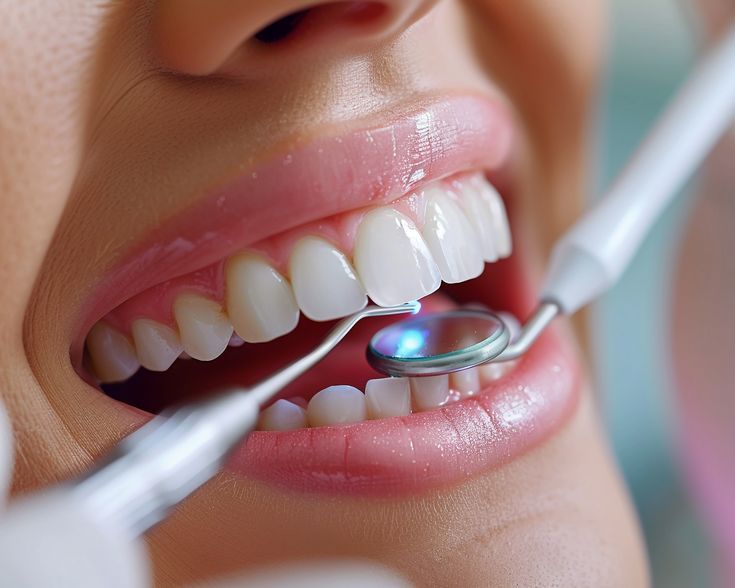
What Happens If There Isn't Enough Bone?
Some patients assume that a bone deficiency means the end of their treatment options.
The reality is more varied than that. Is Everyone a Candidate for Dental Implants?
In some cases, the existing bone volume may be sufficient to proceed directly with the implant.
In other cases, the dentist may recommend additional procedures to improve treatment conditions before placing the implant — such as bone regeneration or preparing the surrounding tissue — if the case calls for it.
In certain situations, it may be more appropriate to consider a different treatment option altogether.
That's why this decision can't be based on an X-ray alone, or on someone else's experience; it requires a full evaluation of the individual case.
Are There Cases Where a Dental Implant May Not Be the Best Option?
Yes.
Although dental implants are among the most successful tooth replacement options, they aren't the right choice for every patient.
In some cases, preserving the natural tooth is still possible, and it remains the first choice whenever it can be achieved.
In other cases, the dentist may find that a different type of tooth replacement produces better results, depending on the condition of the mouth, the patient's health, or their treatment goals.
This doesn't mean dental implants are unsuccessful — it means that successful treatment is the treatment that fits the patient's case, not necessarily the most common one.
Why Can't Patients Determine Their Own Candidacy for Dental Implants?
With so much information available online, it's easy to find lists claiming to outline the requirements or contraindications for dental implants.
But this kind of information remains general and cannot be relied on to make a personal decision.
One person might read that they're not a candidate because they smoke, while a dentist, after a full evaluation, may determine that treatment is possible with certain precautions.
Another person might assume they're a perfect candidate simply because they have no chronic conditions, while examinations reveal factors that need to be addressed before starting treatment.
That's why diagnosis never relies on a single factor — it depends on understanding how all the relevant factors interact to affect treatment success.
Why Does Dental Implant Success Begin Before the Procedure Itself?
Some patients believe the hardest part of treatment is the day the implant is placed.
In reality, the most important stage begins well before that.
The clinical evaluation, X-ray analysis, gum examination, bite assessment, and treatment planning — all of these steps directly influence the long-term success of treatment.
That's why a dental implant shouldn't be viewed as just a surgical procedure, but as a treatment journey that begins with diagnosis, followed by planning, execution, and follow-up.
When Is a Full Evaluation Necessary?
If you've lost a tooth and are considering a dental implant, it's natural to ask: Am I a candidate for this treatment?
But an accurate answer can't be found through age, symptoms, or general information alone.
It starts with a clinical exam, X-rays, and a comprehensive evaluation that helps the dentist understand your case and build a treatment plan suited to your needs.
Early consultation doesn't mean committing to treatment — it means getting accurate information that helps you make the right decision.
In Conclusion
No fixed checklist determines who is or isn't a candidate for dental implants.
Every case differs in terms of bone volume, gum health, overall health, the nature of the tooth loss, and treatment goals.
That's why the success of a dental implant doesn't depend on simply wanting the treatment — it depends on an accurate diagnosis that clarifies whether an implant is the most suitable option, and how it can be planned in the best possible way.
When the treatment plan is built on a comprehensive evaluation, the decision becomes much clearer, and the chances of achieving a stable, long-term result increase significantly.
Wondering Whether a Dental Implant Is Right for You?
If you've lost one or more teeth, the best next step isn't comparing your case to other people's experiences — it's undergoing a comprehensive evaluation of your bone, gums, and teeth and discussing suitable treatment options based on an accurate diagnosis.
Frequently Asked Questions About Dental Implant Candidacy
Does getting older prevent dental implants?
No. Once jaw growth is complete, age alone isn't the deciding factor — each patient's overall health, oral condition, and bone quality are evaluated individually.
Can a diabetic patient get a dental implant?
Dental implants can be a suitable option for patients with diabetes when blood sugar levels are well controlled, and the dentist thoroughly evaluates the patient's overall health before developing the treatment plan.
Does smoking prevent dental implants?
Smoking isn't an absolute contraindication, but it can affect tissue healing and long-term treatment success. That's why the dentist discusses its impact with the patient and outlines steps to help reduce the risks.
Does a lack of jawbone mean a dental implant is impossible?
Not necessarily. The decision depends on the extent and location of the bone loss, and in some cases, preparatory procedures can help condition the area before the implant is placed.
Can I find out if I'm a candidate for dental implants online?
General information can help you understand the basics, but it's not a substitute for diagnosis. Only a clinical evaluation and the appropriate exams can determine whether a dental implant is the right option for your case.
You can contact Dr. Firat directly via WhatsApp regarding all matters related to dental implants: Click here