What Happens If You Lose a Tooth and Don’t Replace It?
Dr. Firat Bayrak
2026-06-18
What Happens If You Lose a Tooth and Don’t Replace It?, Is it okay to live with a missing tooth?, How long can you go without replacing a tooth?, What Happens If Missing Teeth Aren't Replaced?, What Happens If You Don't Replace a Missing Tooth?
What Happens If You Lose a Tooth and Don’t Replace It?
What Happens If You Lose a Tooth and Don’t Replace It?
Effects You May Not Notice at First
Many people lose one or more teeth due to decay, gum disease, or trauma, and quickly adapt to the new situation.
Initially, the pain subsides, and eating or speaking remain possible, making immediate treatment seem unnecessary.
Tooth loss causes more than a visible gap. It triggers changes throughout the mouth that can affect health and function.
The mouth is not a collection of independent teeth working separately. It is an integrated system in which the teeth, bone, muscles, and temporomandibular joint work together to maintain balance during chewing, speaking, and other daily functions.
When a tooth is lost, subtle changes begin: nearby teeth may move, bone may shrink, and chewing balance can shift. These issues may not be immediately visible, but they gradually affect oral health.
For this reason, tooth loss should not be viewed solely as an aesthetic issue. It is a condition that requires evaluation and understanding before deciding to delay or postpone treatment.
As you consider the broader effects, you might wonder: does losing a single tooth really matter?
One of the most common beliefs is that losing a single tooth is not a serious issue, especially if the missing tooth is in a posterior area that is not visible when smiling.
In reality, the impact of tooth loss is determined not only by its location but also by the functional role it played within the oral system.
Each tooth helps distribute chewing forces and maintain the stability of adjacent and opposing teeth. When a tooth is lost, the remaining structures begin to adapt to this change.
These changes may not develop immediately but can emerge over months or years, particularly if the space is left untreated for a long time.
Therefore, the key question is not:
“Can I live without this tooth?”
but rather:
What happens inside the mouth when this space is left unaddressed?
The Problem Is Not the Gap… But What Happens Around It
When a tooth is lost, the most obvious feature is the space it leaves behind.
However, from a functional perspective, the main concern is usually not the gap itself, but the changes that begin to occur in the surrounding tissues and teeth.
Movement of Adjacent Teeth Into the Space
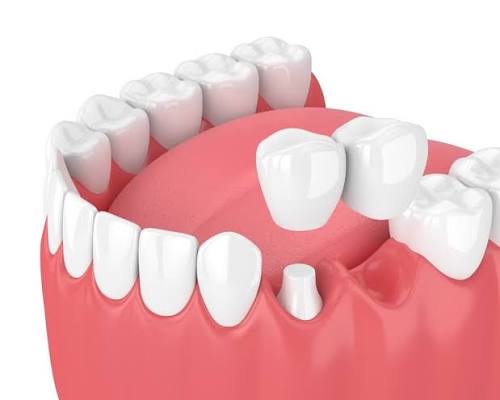
Teeth maintain their position partly due to the support of neighboring teeth. When a tooth is lost, adjacent teeth may gradually tilt or drift into the space.
Over time, this can make cleaning more difficult in certain areas and may also affect dental alignment and jaw contact during biting.
Movement of the Opposing Tooth
If a tooth in the opposite jaw relies on the missing tooth for function, it may begin to erupt further out of its normal position due to the lack of opposing contact. This is known as overeruption and can later affect occlusion and treatment options. What Happens If You Lose a Tooth and Don’t Replace It?
The mouth is designed so that chewing forces are distributed across multiple teeth working together. When a tooth is missing, these forces may shift to other teeth that were not originally designed to bear the additional load.
Over time, this may increase stress on certain teeth or existing restorations.
Tooth loss is not only losing a tooth—it begins a chain of functional changes that can compromise your oral system over time.
Next, it's important to understand what happens beneath the surface—specifically, to the jawbone—after tooth loss.
One of the most important changes following tooth loss involves the jawbone itself.
Some may assume that the bone remains unchanged after a tooth is lost. In reality, tooth roots play a critical role in maintaining bone density and volume.
When teeth are present, chewing forces are transmitted through the roots into the surrounding bone, helping stimulate and preserve it.
After tooth loss, stimulation in that area decreases, and the bone may gradually lose volume and density.
To understand why bone shrinks, consider the role of stimulation from teeth and how its absence leads to gradual changes.
Bone is living tissue that continuously adapts to functional demands. When it no longer receives stimulation from chewing forces transmitted through tooth roots, the body begins remodeling the area.
This process, known as bone resorption at the site of the missing tooth, occurs.
How Time Affects Bone Loss
The rate of change varies from person to person depending on age, overall health, gum condition, and other factors.
Generally, the longer the space remains untreated, the more likely bone loss will occur.
This does not necessarily make later treatment impossible, but it may complicate planning. What Happens If You Lose a Tooth and Don’t Replace It?
Early evaluation is essential—not to rush you, but to reveal all ongoing changes. It helps ensure you have the information needed for the best treatment plan.
Beyond structural changes, tooth loss also influences chewing efficiency and habits.
Chewing is a complex function that depends on a precise balance between teeth, jaws, and muscles.
When a tooth is lost, the body attempts to adapt in several ways.
Chewing on One Side Only
One common adaptation is favoring one side of the mouth while eating.
This may feel comfortable at first, but over time it leads to uneven chewing forces.
Increased Load on Certain Teeth
When a limited number of teeth bear most of the chewing load, they may experience higher-than-normal stress.
This does not always lead to immediate problems but can increase wear on teeth or restorations.
Reduced Chewing Efficiency Over Time
As more teeth are lost or the condition persists, chewing efficiency may decline further. Some patients begin to avoid certain foods or unconsciously change their chewing patterns. What Happens If You Lose a Tooth and Don’t Replace It?
Another question is whether tooth loss might alter your facial appearance over time.
With the loss of a single tooth, most patients do not notice visible facial changes.
However, with multiple missing teeth or long-term untreated loss, facial changes may gradually appear due to reduced support.
Loss of Structural Support
Teeth and the surrounding bone support the facial structure and the soft tissues of the mouth. With extensive long-term tooth and bone loss, this support may gradually decrease. What Happens If You Lose a Tooth and Don’t Replace It?
Changes in Advanced Cases
In more advanced situations, changes such as reduced facial fullness or decreased vertical dimension of the jaws may be observed.
These changes are usually linked to long-standing or extensive untreated tooth loss, not a single missing tooth.
Understanding these changes raises another question: why do many patients delay replacing a missing tooth?
In many cases, delay is not due to neglect, but rather understandable reasons:
However, some changes in teeth and bone may continue silently during the waiting period.
Given the complex effects of tooth loss, do all missing teeth require the same approach to treatment?
The short answer is no.
The treatment plan is determined not by the missing tooth alone but by a comprehensive evaluation of the oral condition.
In some cases, dental implants may be appropriate. In others, alternative options may be recommended depending on factors such as:
Remaining bone volume
Condition of adjacent teeth
Gum health
Bite and occlusion pattern
Number of missing teeth
Long-term treatment goals
Successful treatment begins with understanding the underlying condition and selecting the option that maintains long-term oral stability and function.
Recognizing the importance of tailored treatment, when should evaluation for tooth replacement take place?
Early evaluation provides both the patient and the dentist with a clearer clinical picture.
This does not necessarily mean immediate treatment is required; rather, it means informed decisions can be made based on accurate data.
Good diagnosis is not about pushing treatment—it is about understanding what is happening inside the mouth and identifying available options before further changes occur that may affect future planning.
Conclusion
Losing a single tooth may initially seem like a minor issue, especially when there is no pain or noticeable impact on daily life.
However, the mouth functions as an interconnected system. When one component is missing, gradual adaptations begin, including tooth movement, bone changes, and altered chewing balance over time.
Managing tooth loss is not just about filling space—it’s about protecting your long-term oral health and stability by recognizing and addressing its broader impacts.
Early evaluation helps reveal the full picture and allows for the most appropriate treatment plan based on accurate diagnosis.
Frequently Asked Questions About Tooth Loss
Can I live a normal life with a missing tooth?
Many people adapt well to a single missing tooth, especially in the early stages. However, the absence of noticeable symptoms does not mean the mouth is unaffected. Gradual changes may still occur in adjacent teeth or the jawbone.
How long can I wait before replacing a missing tooth?
There is no universal timeframe. It depends on the location of the missing tooth, bone condition, gum health, and bite relationship. Early evaluation helps determine whether delay may affect future treatment planning.
Do all missing teeth require dental implants?
Not necessarily. Dental implants are one option among several treatment approaches. The decision depends on a detailed clinical assessment and long-term treatment goals.
Can one missing tooth cause other teeth to shift?
Yes. Adjacent or opposing teeth may gradually shift into the space over time. The extent varies between individuals.
Does tooth loss lead to bone loss in the jaw?
Yes. After tooth loss, the surrounding bone may gradually resorb due to the lack of stimulation previously provided by tooth roots during chewing.
Do missing teeth affect chewing?
In the early stages, changes may be subtle. Over time, however, chewing patterns may change, including favoring one side or reduced efficiency in food breakdown.
You can contact Dr. Firat directly via WhatsApp regarding all matters related to dental implants: Click here
Your next step
Do you have questions about this topic?
Speak with the clinic about your own situation before making a treatment decision.