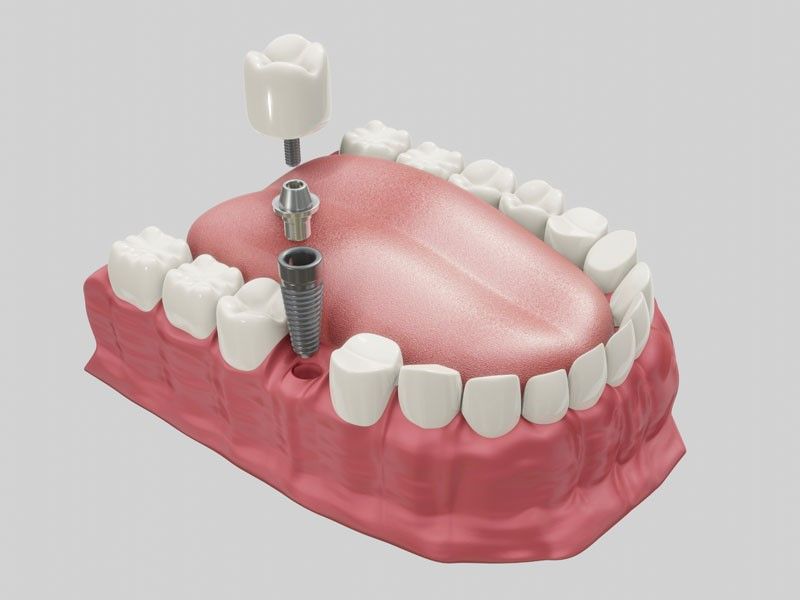
Dental Implant Success Rate
Dental Implant Success Rate: What Determines Long-Term Success?
Dental implants have become one of the most predictable treatment options for replacing missing teeth. Their high long-term survival rates have made them an important part of modern restorative and implant dentistry.
But when patients search for the dental implant success rate, they often expect one simple number.
You may see figures such as 90%, 95%, or even higher. While these numbers can be useful, they do not tell the whole story.
A dental implant does not succeed simply because a high-quality implant was used.
Its outcome depends on the patient's bone and tissue health, the diagnosis, treatment planning, surgical technique, oral hygiene, bite, overall oral condition, and long-term maintenance.
Dental Implant Success Rate
For example, a systematic review of contemporary dental implants reported a 96.4% implant-level survival rate at 10 years in its primary analysis. When the researchers accounted more conservatively for missing follow-up data, the estimated survival was 93.2%.
Another systematic review that included studies with at least 10 years of follow-up reported a cumulative mean implant survival rate of 94.6%.
These results demonstrate that dental implants can be highly predictable.
But they also highlight an important point:
A success rate is a population statistic. It is not a guarantee for an individual patient.
Understanding what influences success is therefore just as important as knowing the percentage.
Are Dental Implants Successful?
Yes. Dental implants have high long-term survival rates and are considered a predictable treatment option for replacing missing teeth.
Long-term research consistently demonstrates favorable outcomes for modern implant therapy. In one systematic review of contemporary implant systems, the estimated 10-year implant survival was 96.4% in the conventional analysis.
However, it is important to distinguish between implant survival and complete treatment success.
An implant can remain in place while a patient experiences a biological or technical complication involving the surrounding tissues or the restoration.
For example, a patient may experience:
- Inflammation around the implant
- Bone loss
- Crown fracture
- Abutment or screw complications
- Problems with the bite
- Difficulty maintaining adequate oral hygiene
This does not necessarily mean that the implant itself has failed.
Therefore, when discussing dental implant success, dentists should look beyond a single number and evaluate the entire treatment outcome.
The real objective is not simply for the implant to remain inside the bone.
The objective is a stable, healthy, functional, comfortable, and natural-looking result.
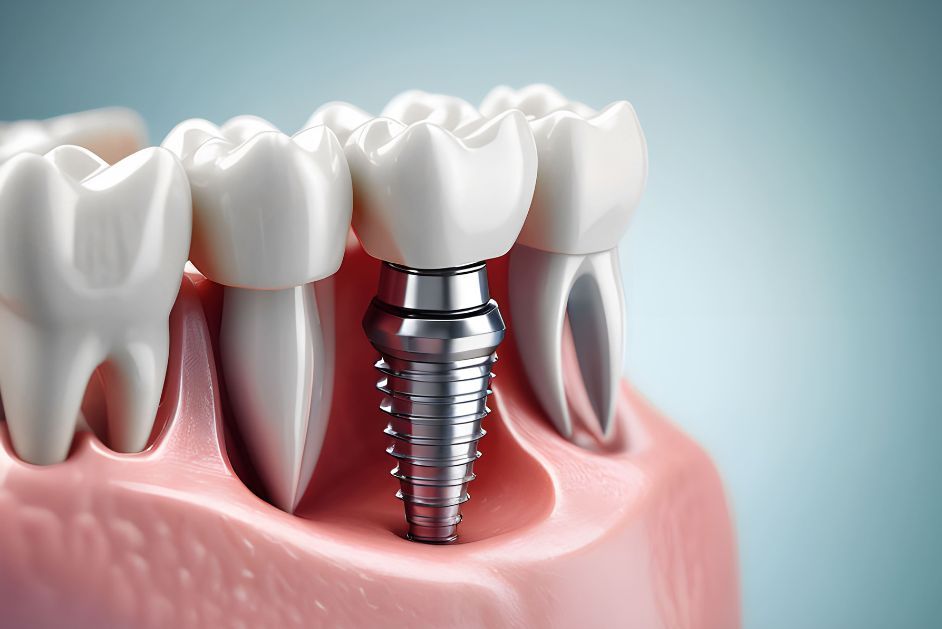
What Is the Dental Implant Success Rate?
There is no single success rate that applies to every implant, every patient, and every clinical situation.
Long-term studies have reported implant survival rates in the mid-90% range and above, depending on the implant system, patient population, treatment type, follow-up period, and definition of success or survival used by the researchers.
One systematic review of contemporary implant systems found a 10-year survival estimate of 96.4%. The same study emphasized that more conservative analysis can produce lower estimates, illustrating why statistics should be interpreted carefully.
This distinction matters when speaking with patients.
A statement such as "dental implants have a 95% success rate" can create a false sense of certainty if the patient assumes that their individual chance of success is automatically 95%.
Your personal prognosis depends on your specific clinical situation.
The same implant placed in two different patients does not necessarily have the same prognosis.
What Increases the Chances of Dental Implant Success?
Several factors can improve the conditions necessary for long-term implant stability.
1. Accurate Diagnosis
The first factor in successful implant treatment is understanding the patient's oral condition before treatment begins.
A dentist needs to evaluate more than the missing tooth.
The assessment may include:
- The available bone
- The health of the gums and surrounding tissues
- The condition of the remaining teeth
- The patient's bite
- Oral hygiene
- The location and number of missing teeth
- The functional demands placed on the restoration
This information helps determine whether an implant is appropriate and, if so, how it should be planned. Dental Implant Success Rate
A missing tooth may look like an isolated problem, but the surrounding oral system may tell a different story.
The quality of the diagnosis determines the quality of the treatment plan.
2. Careful Treatment Planning
Dental implant placement should not be treated as a simple surgical procedure.
The dentist needs to determine where the implant should be positioned, how it will interact with the surrounding structures, what type of restoration will be used, and how the final result will function.
This becomes even more important in complex cases involving several missing or damaged teeth.
A quick decision to place an implant does not necessarily create a long-term solution.
Good planning considers not only where the missing tooth is today, but also how the restoration needs to function years from now.
3. Healthy Bone and Supporting Tissues
A dental implant needs adequate biological support.
The condition and volume of the available bone are therefore important considerations before implant placement. Dental Implant Success Rate
The tissues surrounding the implant also need to remain healthy after treatment.
Inflammation around implants can affect the supporting tissues and may progress to more serious peri-implant disease.
Recent evidence has identified several factors associated with peri-implant diseases, including a history of periodontitis and smoking.
This is why implant treatment should not focus exclusively on the implant itself.
The environment around the implant matters.
4. Good Oral Hygiene
Long-term implant success requires ongoing attention to oral hygiene.
Although an implant-supported crown cannot develop tooth decay in the same way as a natural tooth, plaque and inflammation can still affect the tissues surrounding the implant.
Patients therefore need an appropriate daily hygiene routine and professional follow-up. Dental Implant Success Rate
The goal is not simply to keep the artificial tooth clean.
It is to maintain the health of the tissues that support the implant.
5. Appropriate Management of the Bite
The forces generated during chewing and clenching can influence the mechanical environment around an implant-supported restoration.
For patients who grind or clench their teeth, this should be considered during treatment planning and follow-up.
A successful restoration needs to work within the patient's overall bite rather than functioning as an isolated replacement tooth.
This is particularly important when several teeth are missing or when a patient has significant changes in their bite.
6. Avoiding or Managing Smoking
Smoking is one of the patient-related factors that has been consistently associated with poorer implant outcomes.
A 2024 systematic review and meta-analysis found that smoking was associated with a significantly increased risk of early dental implant failure, with an odds ratio of 2.59 compared with non-smoking in the implant-level analysis.
A 2026 systematic review also found reduced implant survival among cigarette smokers and increased crestal bone loss, with most included studies reporting a higher incidence of peri-implantitis among smokers.
This does not mean that every smoker will experience implant failure.
It means smoking is a relevant risk factor that should be discussed honestly when planning treatment.
7. Regular Maintenance
Implant treatment does not end when the crown is placed.
Regular professional follow-up allows the dentist to monitor:
- The implant
- The surrounding tissues
- Bone levels when clinically indicated
- The restoration
- The bite
- Oral hygiene
- Any developing complications
Early detection can make it possible to manage problems before they become more advanced. Dental Implant Success Rate
Long-term success needs to be maintained, not simply achieved on the day of surgery.
What Can Reduce the Dental Implant Success Rate?
The factors that reduce the likelihood of successful treatment are not limited to surgical complications.
Some are related to the biological environment, while others involve patient habits, mechanical forces, or inadequate long-term maintenance.
Smoking
As discussed above, smoking is associated with increased implant failure risk and peri-implant complications.
Untreated Periodontal Disease
A history of periodontal disease is an important factor when evaluating the health of tissues around dental implants.
The 2025 AO/AAP systematic review and meta-analysis identified periodontitis as a significant risk indicator for peri-implant diseases.
This is why treating and stabilizing periodontal problems before implant placement can be an important part of comprehensive treatment planning.
Poor Oral Hygiene
Persistent plaque accumulation can contribute to inflammation around implants and increase the risk of peri-implant complications.
Excessive Mechanical Forces
Bruxism, an unstable bite, or excessive loading can create additional mechanical stress on implant-supported restorations. Dental Implant Success Rate
Inadequate Treatment Planning
An implant may be technically placed but still be part of an inadequate overall treatment plan.
This can happen when the focus is limited to replacing the missing tooth without considering the patient's bite, surrounding teeth, bone, soft tissues, or long-term function.
Lack of Follow-Up
Even a well-placed implant needs long-term monitoring.
Ignoring changes such as bleeding, swelling, discomfort, or changes in the restoration can allow a developing problem to progress.
Why Diagnosis Matters Before Implant Placement
One of the most important factors in dental implant success is something that happens before the implant is ever placed:
Diagnosis.
A successful treatment plan starts by understanding the patient's current condition.
For a single missing tooth, the dentist may need to evaluate the local bone and tissues and how the implant will interact with the neighboring teeth.
For a patient with multiple missing or damaged teeth, the situation can be more complex. Dental Implant Success Rate
The dentist may need to consider the overall bite, remaining teeth, bone levels, periodontal condition, and the relationship between function and aesthetics.
This is why two patients who both "need an implant" may require completely different treatment plans.
The implant itself is only one component.
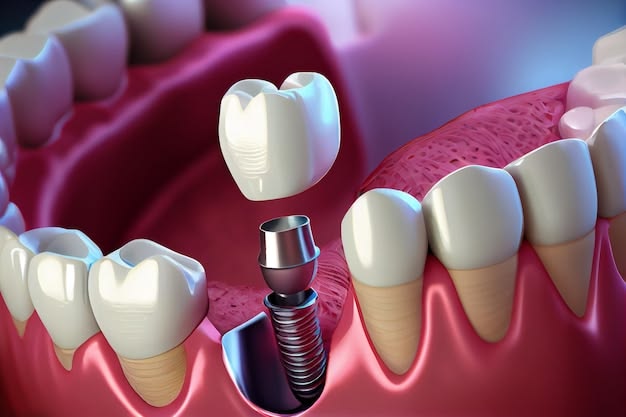
The diagnosis determines whether, where, when, and how the implant should be used.
Does a High-Quality Implant Guarantee Success?
No.
Choosing a high-quality implant system is important, but the implant alone does not determine the outcome.
The success of treatment depends on the interaction between:
- The patient's biology
- The treatment plan
- The surgical procedure
- The implant position
- The restoration
- The bite
- Oral hygiene
- Long-term maintenance
A high-quality implant placed in an unsuitable environment or without appropriate planning cannot eliminate biological and mechanical risks.
This is why the focus should be on the quality of the entire treatment, not simply the brand or type of implant.
What Happens After a Dental Implant Is Placed?
Successful implant treatment continues after surgery.
During the healing period, the implant needs to integrate with the surrounding bone.
Once the implant is ready to support the restoration, the next stage focuses on creating a functional and appropriate replacement tooth.
After the final restoration is delivered, maintenance becomes part of the long-term plan.
This is an important distinction between a short-term procedure and comprehensive implant treatment.
The goal is not:
Place the implant - attach a crown - finish.
The goal is:
Diagnose - plan - place - restore - monitor - maintain.
Each stage contributes to the long-term outcome.
How Can You Improve Your Chances of Successful Dental Implants?
Patients also have an important role in the outcome of their treatment.
You can support your implant health by:
- Maintaining good daily oral hygiene
- Following your dentist's post-treatment instructions
- Attending recommended follow-up appointments
- Managing periodontal disease
- Avoiding smoking or working toward smoking cessation
- Informing your dentist about teeth grinding or clenching
- Reporting bleeding, swelling, pain, looseness, or changes in chewing early
- Following your individualized maintenance plan
The goal is not to create unnecessary anxiety around implant treatment.
It is to give patients realistic expectations and a clear understanding of what they can do to protect their results. Dental Implant Success Rate
Dental Implant Success Is More Than a Percentage
When patients search for the success rate of dental implants, they are often trying to answer a deeper question:
"Can I trust this treatment?"
The scientific evidence provides a reassuring answer: modern dental implants have high long-term survival rates.
But a percentage alone cannot tell you whether an implant is the right solution for your particular mouth.
Your prognosis depends on the condition of your bone and tissues, the health of your remaining teeth, your bite, your habits, the complexity of the case, the treatment plan, and the quality of your long-term maintenance.
This is why a responsible implant consultation should not begin with a promise of success.
It should begin with an evaluation.
Frequently Asked Questions About Dental Implant Success
Is dental implant treatment successful?
Yes. Dental implants have demonstrated high survival rates in long-term clinical studies and are considered a predictable treatment option for replacing missing teeth. However, individual outcomes vary depending on biological, mechanical, and patient-related factors.
What is the success rate of dental implants?
Long-term studies commonly report implant survival rates in the mid-90% range or higher. One systematic review of contemporary implant systems estimated 96.4% survival at 10 years in its primary analysis.
However, this is a population-level statistic and should not be interpreted as an individual guarantee.
What are the main factors affecting dental implant success?
Important factors include accurate diagnosis, appropriate treatment planning, healthy bone and surrounding tissues, good oral hygiene, periodontal health, controlled biting forces, smoking status, restoration quality, and regular professional maintenance.
Does smoking affect dental implant success?
Yes. Research has associated smoking with an increased risk of implant failure and peri-implant complications. A 2024 meta-analysis found a significantly higher risk of early implant failure among smokers.
Can dental implants fail even when the implant is high quality?
Yes. Implant quality is only one part of the treatment. The patient's biological condition, treatment planning, placement, restoration, oral hygiene, bite, and maintenance can all influence the outcome.
Does periodontal disease affect dental implant success?
A history of periodontal disease is an important risk consideration. Recent evidence identifies periodontitis as a significant risk indicator for peri-implant disease.
How important is follow-up after dental implant treatment?
Follow-up is an essential part of long-term implant care. It allows the dentist to monitor the implant, surrounding tissues, restoration, and bite and to identify potential problems at an earlier stage.
The Bottom Line on Dental Implant Success
The dental implant success rate is high, but the percentage alone does not determine whether an individual treatment will succeed.
Modern implants can provide predictable and long-term results, but successful treatment depends on much more than placing an implant into the jaw.
It starts with understanding the patient's condition.
It continues with accurate diagnosis and careful planning.
It requires appropriate surgical and restorative treatment.
And it continues for years through oral hygiene, professional maintenance, and regular follow-up.
This is why the most important factor in dental implant success is not simply choosing an implant.
It is choosing the right treatment plan for the right patient at the right time.
A good implant treatment should not begin by asking, How quickly can we place the implant?
It should begin by asking:
What does this patient actually need to achieve a healthy, functional, stable, and natural result?
That is the difference between simply replacing a missing tooth and truly rebuilding the oral system.
If you have any questions, you can contact Dr. Firat directly through the following link: Click here
Read also: