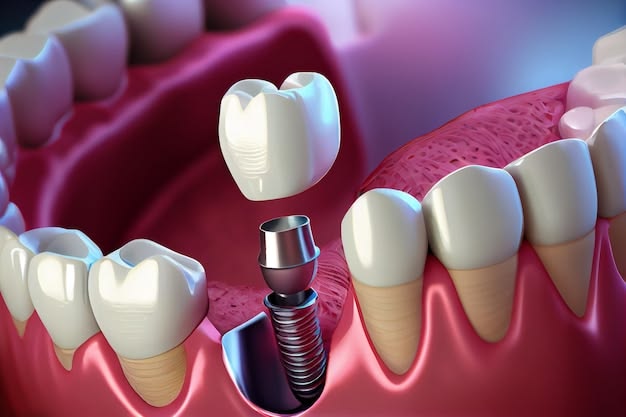
Immediate vs. Traditional Dental Implants
Immediate vs. Traditional Dental Implants: Understanding the Difference
When a tooth needs to be replaced with a dental implant, patients are often presented with different treatment options.
One of the most common questions is whether an immediate dental implant is better than a traditional approach.
The idea of removing a tooth and placing an implant on the same day can sound appealing. It may seem faster, more convenient, and more efficient.
But implant dentistry is not simply about choosing the fastest treatment.
An immediate implant is not automatically better than a traditional implant, and a traditional approach is not necessarily the safer choice for every patient.
The right option depends on the condition of the tooth, the surrounding bone and soft tissues, the presence of infection, the stability that can be achieved at the time of placement, and the overall treatment plan.
The decision should be based on diagnosis—not on speed.
Understanding the difference between immediate and traditional dental implants can help you know why your dentist may recommend one approach over the other.
What Is the Difference Between Immediate and Traditional Dental Implants?
The main difference is when the implant is placed in relation to tooth extraction.
With an immediate dental implant, the implant is placed into the extraction socket during the same appointment in which the tooth is removed.
This means the extraction and implant placement are part of the same surgical procedure.
With a more traditional approach, the tooth is removed first, and the extraction site is allowed to heal before the implant is placed.
The healing period gives the surrounding tissues time to recover and, when necessary, allows additional procedures to be performed to create a suitable foundation for the implant.
Neither approach is universally better.
The appropriate timing depends on the individual clinical situation.
What Is an Immediate Dental Implant?
An immediate dental implant is an implant placed directly after a tooth is extracted.
Instead of waiting for the extraction site to heal completely, the dentist removes the tooth and evaluates the site before placing the implant.
In carefully selected cases, this approach can reduce the number of surgical appointments and shorten certain parts of the overall treatment process.
It may also help preserve the existing architecture of the extraction site when the biological conditions are favorable.
However, immediate placement requires careful case selection.
The fact that an implant can technically be placed immediately does not mean that it should be.
The dentist needs to determine whether the available bone and surrounding tissues can provide the conditions necessary for predictable healing and implant stability.
What Is a Traditional Dental Implant Approach?
In a traditional or delayed implant approach, the tooth is extracted first, and the implant is placed after an appropriate healing period.
The exact timing varies depending on the patient's condition and treatment plan.
In some cases, the dentist may recommend allowing the extraction site to heal before placing the implant. Immediate vs. Traditional Dental Implants
In other cases, additional procedures may be required to improve the bone or soft-tissue foundation before implant placement.
This approach can provide valuable time for the tissues to heal and for the dentist to address conditions that may make immediate placement less suitable.
The longer timeline does not necessarily mean that the treatment is less advanced.
Sometimes, waiting is part of the treatment plan.
When Can an Immediate Dental Implant Be Appropriate?
Immediate implant placement may be considered when the clinical conditions are favorable.
The exact criteria depend on the individual case, but the dentist may evaluate factors such as:
The Condition of the Tooth
The tooth may be severely damaged or non-restorable but still surrounded by a suitable supporting environment.
The reason the tooth needs to be removed matters.
A tooth with extensive infection or other complications may require a different approach from a tooth that is being removed because of severe structural damage without significant infection.
The Condition of the Surrounding Bone
Adequate bone must be available to achieve appropriate implant stability.
The extraction socket and surrounding anatomy need to be carefully evaluated before deciding whether immediate placement is appropriate.
The Health of the Soft Tissues
The gums and surrounding soft tissues contribute to the final result, particularly in visible areas of the smile. Immediate vs. Traditional Dental Implants
The condition and position of these tissues need to be considered when planning immediate implant placement.
The Ability to Achieve Primary Stability
An immediate implant needs to achieve sufficient mechanical stability in the appropriate area of bone.
The extraction socket itself does not automatically provide the ideal conditions for stability.
The dentist must assess the available bone and determine whether the implant can be positioned appropriately and achieve the required stability.
The Overall Treatment Plan
Immediate placement should make sense within the broader restorative plan.
The goal is not simply to insert the implant on the same day as extraction.
The goal is to create a stable foundation for the final restoration.
When Is a Traditional Approach More Appropriate?
There are situations where placing an implant immediately after extraction may not be the best option.
For example, a delayed approach may be considered when:
- There is significant infection or inflammation that needs to be managed.
- The available bone is insufficient for predictable immediate implant stability.
- The extraction has resulted in substantial bone damage.
- The soft tissues require healing or additional management.
- Bone grafting or another preparatory procedure is needed.
- The dentist cannot achieve appropriate primary stability.
- The overall condition of the mouth requires treatment before implant placement.
In these situations, waiting is not necessarily a disadvantage.
It may allow the dentist to create a healthier and more predictable foundation before placing the implant.
A longer treatment timeline can sometimes be the shorter path to a better long-term result.
Does Immediate Implant Placement Mean Faster Treatment?
It can reduce the number of surgical stages in selected cases, but "immediate" does not mean that the entire treatment is completed immediately.
The implant still needs time to integrate with the surrounding bone before it can necessarily be used in the same way as a natural tooth.
In some situations, the patient may receive a temporary restoration, depending on the stability of the implant and the overall treatment plan.
The final restoration is placed according to the healing and functional requirements of the case.
Therefore, immediate implant placement refers primarily to the timing of implant placement after extraction, not necessarily to immediate completion of the entire treatment.
Does Immediate Implant Placement Produce Better Results?
Not automatically.
Immediate and delayed implant placement can both produce successful outcomes when the appropriate approach is selected for the individual patient.
The important question is not:
"Which technique is better?"
It is:
"Which timing is appropriate for this patient's biological and functional conditions?"
The outcome depends on multiple factors, including implant position, bone and soft-tissue conditions, treatment planning, restoration design, oral hygiene, and long-term maintenance.
An immediate implant placed in an unsuitable environment is not better simply because it was placed faster.
Likewise, delaying an implant when immediate placement could have been predictable is not automatically an advantage.
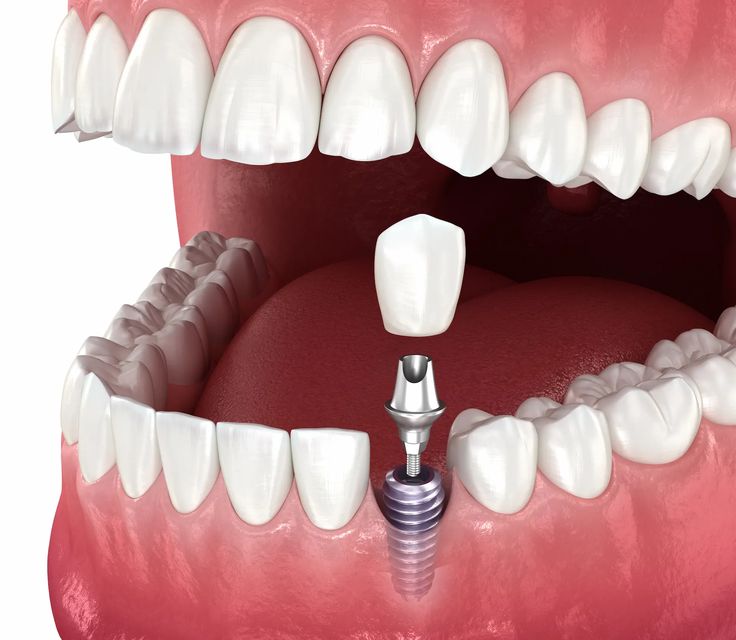
Immediate vs. Traditional Dental Implants: How Does the Dentist Choose?
The decision should be based on a clinical assessment rather than a patient's preference for a shorter timeline.
Before recommending immediate placement, the dentist may evaluate:
The Tooth Being Removed
Why is the tooth being extracted?
Is it fractured, severely decayed, infected, or affected by another problem?
The reason for extraction can influence the treatment plan.
The Bone Around the Tooth
The dentist needs to determine whether sufficient bone is available and whether the extraction has affected the supporting structures.
The Soft-Tissue Condition
The thickness, position, and health of the surrounding gum tissue can be particularly important in the aesthetic zone. Immediate vs. Traditional Dental Implants
Infection and Inflammation
The presence and extent of infection or inflammation need to be assessed before deciding on implant timing.
Implant Stability
The dentist needs to determine whether appropriate primary stability can be achieved in the available bone.
Functional Requirements
The implant needs to work within the patient's bite and overall oral function.
Aesthetic Requirements
For teeth that are visible when smiling, the final appearance and preservation of the surrounding tissues become especially important.
The Long-Term Treatment Plan
The dentist should consider not only what can be done today, but how the implant and restoration are expected to function years from now.
This is why the decision cannot be made based solely on how quickly the implant can be placed.
Is Immediate Implant Placement Suitable for Everyone?
No.
Immediate implant placement is a case-dependent treatment option, not a universal solution.
A patient may want an immediate implant because they want to avoid waiting after extraction.
But patient preference alone cannot determine whether immediate placement is biologically appropriate. Immediate vs. Traditional Dental Implants
The dentist needs to determine whether the conditions are suitable.
This is particularly important because an implant is intended to function for many years.
A few weeks or months of additional treatment time may be worthwhile if it allows the dentist to create a more stable foundation.
What Are the Advantages of Immediate Dental Implants?
When the clinical conditions are appropriate, immediate implant placement may offer several potential advantages.
Fewer Surgical Stages
Extraction and implant placement may be performed during the same surgical appointment.
Potentially Shorter Overall Treatment Process
In selected cases, immediate placement can reduce some of the waiting associated with delayed implant placement.
However, healing and osseointegration are still required.
Preservation of the Extraction Site
Immediate implant placement may help support the existing anatomy of the extraction area when the conditions are favorable.
However, placing an implant does not eliminate the biological changes that naturally occur after tooth extraction.
Additional measures may still be necessary to manage the socket and surrounding tissues.
Patient Convenience
Combining procedures into one appointment can be convenient for some patients.
But convenience should remain secondary to biological and functional suitability.
What Are the Advantages of a Traditional Approach?
A delayed or traditional approach can also provide important advantages in selected situations.
Time for Healing
Allowing the extraction site to heal can give tissues time to recover before implant placement. Immediate vs. Traditional Dental Implants
Management of Infection or Inflammation
If the site is compromised, the dentist may first need to address the underlying condition.
Opportunity for Bone or Soft-Tissue Preparation
Some patients may require procedures to improve the foundation before an implant can be placed predictably.
More Controlled Implant Placement
Once the site has healed, the dentist may have a different anatomical situation in which to plan the implant position.
Again, this does not mean that delayed placement is always superior.
It means that the appropriate timing depends on the condition of the site.
Are the Success Rates Different?
The success of immediate and delayed implant placement should not be reduced to a simple comparison of two percentages. Immediate vs. Traditional Dental Implants
Both approaches can achieve high levels of implant survival when they are used appropriately, and the patient is carefully selected.
However, immediate implant placement is more technique-sensitive and depends heavily on favorable local conditions.
The available evidence generally supports immediate placement as a predictable option in appropriately selected cases. Still, outcomes can vary according to the clinical situation, implant location, surgical technique, bone and soft-tissue conditions, and the type of restoration.
This is why a dentist should not recommend immediate placement simply because the technique has a high reported success rate.
The success of a treatment depends on whether it is appropriate for the patient—not only on the technique's success rate in general.
Does Immediate Implant Placement Reduce Bone Loss?
Tooth extraction itself initiates changes in the surrounding bone.
Immediate implant placement may help preserve some aspects of the extraction site, but it does not completely stop the biological remodeling that occurs after tooth removal.
The final preservation of the bone and soft tissues depends on several factors, including the anatomy of the site, surgical technique, implant position, the management of the extraction socket, and the patient's healing response. Immediate vs. Traditional Dental Implants
This is another reason why implant placement should be planned based on the individual anatomy rather than simply following a standard protocol.
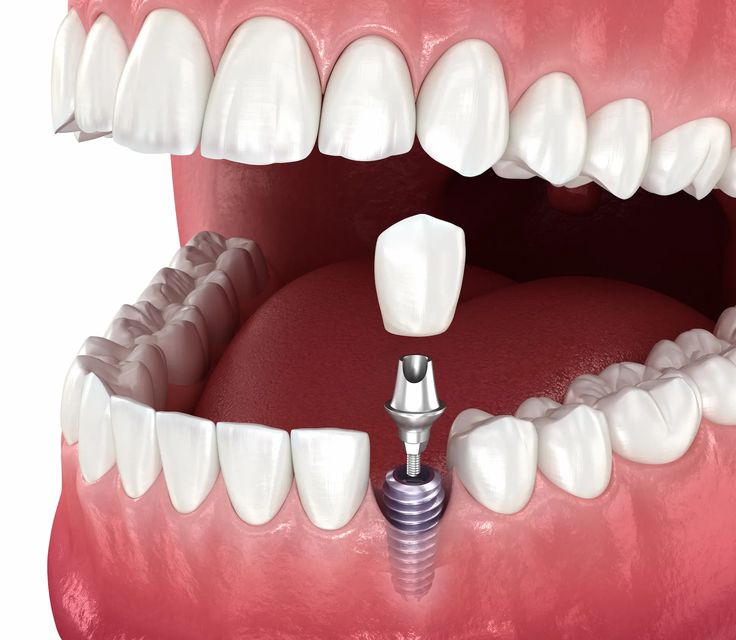
Which Is Better: Immediate or Traditional Dental Implants?
There is no universal winner.
Immediate implant placement may be appropriate when the extraction site provides favorable conditions for predictable implant placement and stability.
A traditional or delayed approach may be more appropriate when the tissues need to heal, infection needs to be controlled, bone needs to be augmented, or adequate stability cannot be achieved immediately.
The best option is therefore not necessarily the fastest option.
It is the option that provides the most appropriate biological and functional conditions for the individual patient.
Why Diagnosis Matters More Than Speed
Patients naturally want treatment to be as simple and fast as possible.
That is understandable.
But dental implant treatment is intended to provide a long-term solution.
Choosing a treatment simply because it reduces the waiting period can be the wrong priority if the biological conditions are not favorable.
A proper diagnosis allows the dentist to answer questions such as:
- Is the tooth suitable for extraction and immediate implant placement?
- Is there enough healthy bone?
- Are the surrounding tissues stable?
- Is there active infection or inflammation?
- Can sufficient implant stability be achieved?
- Will the planned implant position support the final restoration?
- Does the patient's bite allow for predictable function?
- Would waiting improve the treatment conditions?
Only after answering these questions can the appropriate implant timing be selected.
The patient's mouth determines the timing—not the calendar.
Frequently Asked Questions About Immediate and Traditional Dental Implants
What is the difference between immediate and traditional dental implants?
The main difference is the timing of implant placement. An immediate implant is placed during the same appointment as tooth extraction, while a traditional or delayed approach involves allowing the extraction site to heal before implant placement. Immediate vs. Traditional Dental Implants
Is immediate dental implant placement better?
Not necessarily. Immediate placement can be an excellent option for appropriately selected patients, but it is not suitable for every case. The decision depends on the condition of the bone, soft tissues, infection status, implant stability, and overall treatment plan.
Is immediate implant placement faster?
It can reduce some stages of treatment because the implant is placed at the time of extraction. However, the implant still needs time to integrate with the bone, and the final restoration is not necessarily completed immediately.
Can an infected tooth receive an immediate dental implant?
It depends on the type and extent of the infection and the condition of the surrounding tissues. The infection should be carefully evaluated before deciding on immediate implant placement. In some cases, treating the infection and allowing the site to heal first may be more appropriate.
Are immediate dental implants as successful as traditional implants?
Both immediate and delayed implant placement can have predictable outcomes when used in appropriately selected cases. However, the outcome depends on factors such as bone and soft-tissue conditions, implant stability, surgical technique, restoration, and maintenance.
How does a dentist decide between immediate and traditional implants?
The decision is based on a comprehensive assessment of the tooth, bone, soft tissues, infection status, available implant stability, bite, aesthetic requirements, and overall treatment plan.
Does immediate implant placement prevent bone loss?
No. Tooth extraction naturally causes changes in the surrounding bone, and immediate implant placement does not completely prevent this remodeling. Additional measures may sometimes be needed to preserve or rebuild the extraction site.
Can every extracted tooth be replaced with an immediate implant?
No. Immediate implant placement is not suitable for every extraction site. The dentist needs to evaluate whether the biological and mechanical conditions are appropriate.
The Bottom Line: The Right Implant Timing Depends on the Patient
The difference between immediate and traditional dental implants is primarily about timing—but choosing the right timing is a clinical decision.
Immediate placement can offer convenience and may be an excellent option when the extraction site has favorable conditions.
A delayed approach can be more appropriate when the bone or soft tissues need time to heal, infection needs to be managed, or additional preparation is required. Immediate vs. Traditional Dental Implants
Neither approach should be chosen simply because it sounds faster or more convenient.
The objective is not to place the implant as soon as possible. The objective is to place it when the conditions are right.
A few additional weeks or months of treatment may sometimes create a healthier foundation for a result that needs to function for many years.
That is why good implant dentistry starts with diagnosis.
The dentist's role is not simply to offer the patient the fastest option.
It is to evaluate the biological and functional conditions, explain the available alternatives, and choose the approach that offers the most appropriate long-term solution for that individual patient.
In implant dentistry, the best treatment is not always the fastest one. It is the one that is right for your biology, your function, and your long-term oral health.
If you have any questions, you can contact Dr. Firat directly through the following link: Click here.
Read also: