Dental Implant Lifespan: How Long Can Dental Implants Last?
Dental implants are considered one of the most predictable long-term solutions for replacing missing teeth. However, one of the most common concerns patients have before treatment is how long their dental implants will actually last.
Some patients hear that dental implants last 10 years. Others hear 15 or 20 years. This can create the impression that an implant has a fixed lifespan and must eventually be replaced when it reaches a certain age.
In reality, dental implants do not have a predetermined expiration date.
A well-planned and properly maintained dental implant can remain functional for many years and, in some cases, for decades. Its longevity depends on several factors, including the condition of the bone and surrounding tissues, oral hygiene, biting forces, the quality of the restoration, the patient's habits, and regular professional maintenance.
This means that the more useful question is not simply "How many years does a dental implant last?"
It is:
What determines the long-term stability of a dental implant?
There is no single number that defines the lifespan of every dental implant.
Dental implants are designed to function as long-term tooth replacements. Once an implant successfully integrates with the surrounding bone and the restoration is properly designed, it can remain stable for many years.
However, no responsible dentist can guarantee that every implant will last a lifetime.
Every patient is different. The biological condition of the mouth, the amount and quality of bone, oral hygiene, the forces placed on the implant, smoking, the condition of the surrounding tissues, and the quality of long-term maintenance can all influence the outcome.
Long-term clinical research has demonstrated high survival rates for modern dental implants over 10 years. However, these statistics should not be interpreted as an expiration date.
Ten years is a research follow-up point—not a deadline for replacing an implant.
Some implants may experience complications earlier, while others can continue functioning for decades.
How Long Do Dental Implants Typically Last?
When discussing the average dental implant lifespan, it is important to distinguish between implant survival and the lifespan of the restoration attached to it.
Long-term studies have reported high implant survival rates at 10 years, with systematic reviews showing that a large majority of modern implants remain functional over this period.
Evidence also exists for implants followed for 20 years or longer, showing that favorable long-term outcomes are possible.
But these numbers describe patient populations, not individual guarantees.
Your own implant may have a different outcome depending on your oral health, treatment plan, habits, and maintenance.
For this reason, saying that "dental implants last 10 years" is an oversimplification.
A more accurate statement is:
Dental implants can provide long-term, potentially decades-long function when the biological and mechanical conditions remain favorable and appropriate maintenance is provided.
What Determines Dental Implant Lifespan?
The implant itself does not determine the longevity of an implant.
It depends on the entire treatment process and what happens after treatment.
Accurate Diagnosis and Treatment Planning
Long-term implant success begins before the implant is placed.
A proper evaluation should consider the condition of the bone, gums, remaining teeth, bite, and overall oral function.
This becomes particularly important when a patient has several missing or severely damaged teeth.
In these cases, replacing individual teeth without understanding the overall condition of the mouth may not provide the most stable long-term solution.
The implant should therefore be the result of a carefully designed treatment plan—not the starting point of the plan.
Successful implant treatment begins with diagnosis and planning, not with implant placement.
Bone and Tissue Health
Dental implants rely on the surrounding bone for support.
After a tooth is lost, changes can occur in the bone in that area. The amount and condition of the available bone therefore need to be assessed before implant placement.
The gums and other tissues surrounding the implant are equally important.
An implant may be made from a highly durable material, but its long-term stability still depends on the health of the biological tissues around it.
This is why evaluating the foundation before treatment is an essential part of implant planning. Dental Implant Lifespan
Oral Hygiene
Good oral hygiene remains important after implant treatment.
An implant cannot develop tooth decay in the same way as a natural tooth, but the tissues surrounding it can still become inflamed.
Plaque accumulation around an implant can contribute to inflammation and, in susceptible patients, progressive problems affecting the supporting tissues.
Daily oral hygiene and professional maintenance therefore play an important role in protecting the long-term health of dental implants.
Bite and Chewing Forces
Every time you chew, bite, or clench your teeth, forces are transferred through your teeth and restorations.
If these forces are excessive or poorly distributed, they can place additional stress on the implant-supported restoration.
This is particularly relevant for patients who grind or clench their teeth.
For this reason, evaluating the bite is an important part of comprehensive implant treatment.
The goal is not simply to replace the missing tooth, but to ensure that the new restoration works appropriately within the patient's overall bite and oral function.
Smoking
Smoking can negatively affect the oral environment and may influence implant treatment outcomes.
For patients who smoke, this factor should be discussed as part of the treatment planning process rather than ignored.
Long-term implant care is not only about what happens during surgery. Patient habits can also influence the environment in which the implant needs to function for years.
Restoration Quality
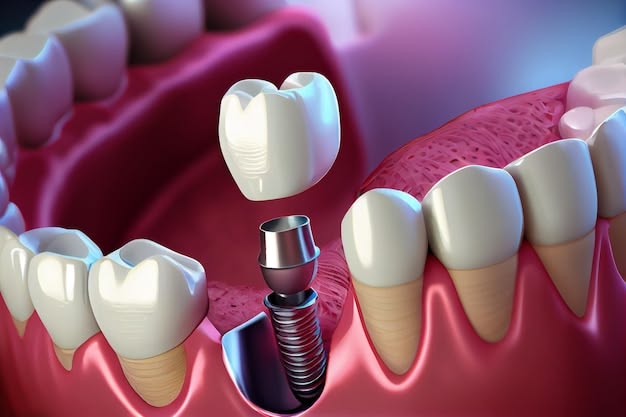
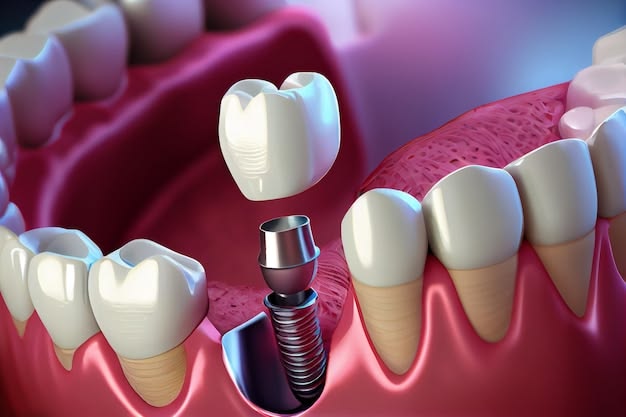
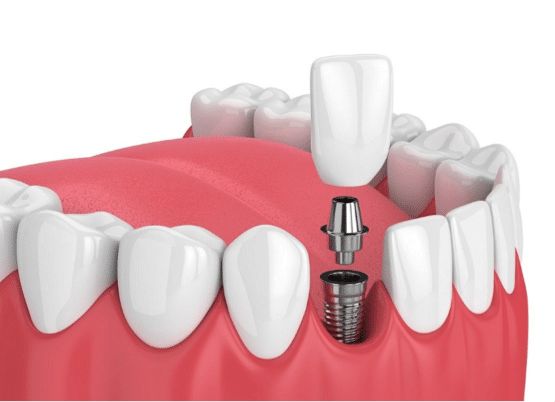
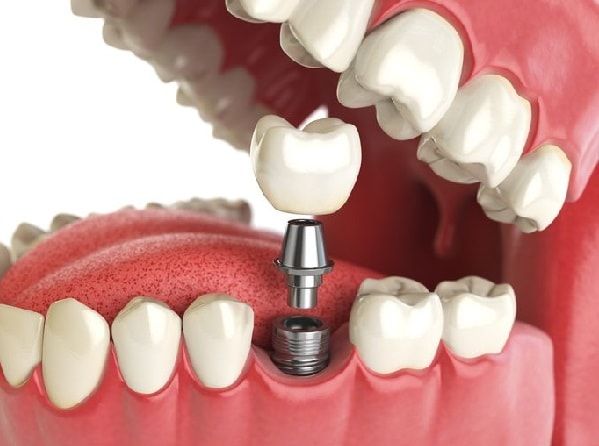
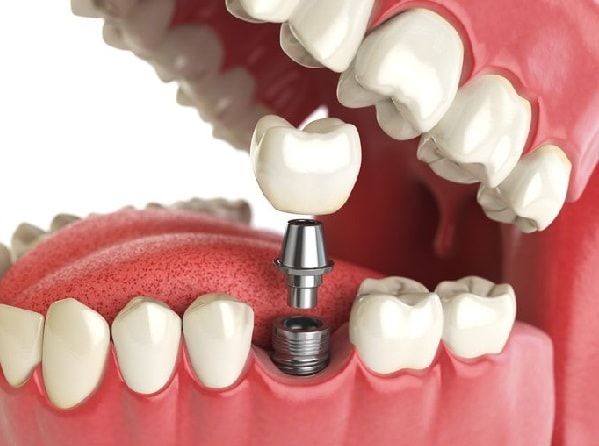
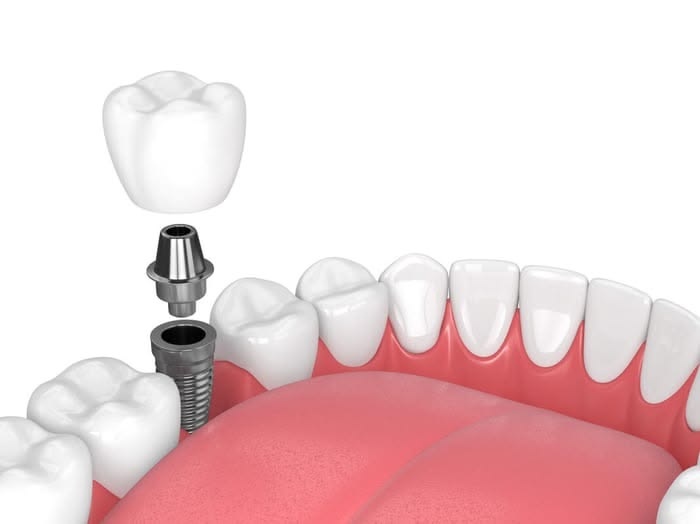
One of the most important distinctions patients should understand is the difference between the implant and the crown.
The implant is the artificial tooth root placed into the bone.
The abutment connects the implant to the restoration. Dental Implant Lifespan
The crown or prosthesis is the visible part that replaces the missing tooth or teeth.
These components do not necessarily have the same lifespan.
An implant may remain stable while the crown eventually needs repair, adjustment, or replacement because of wear or other mechanical or aesthetic changes.
Therefore, when someone asks about the age of dental implants, it is important to clarify which part of the treatment they are referring to.
Regular Maintenance and Follow-Up
Implant treatment does not end when the crown is placed.
Regular follow-up allows the dentist to monitor the implant, surrounding tissues, restoration, and bite.
It also provides an opportunity to identify potential problems before they become more complex.
Long-term maintenance is therefore part of the treatment itself.
A successful implant is not simply placed and forgotten. It is maintained over time.
Do Dental Implants Need to Be Replaced?
A dental implant does not automatically need to be replaced after 10 or 15 years.
If the implant remains stable, the surrounding tissues are healthy, and the restoration is functioning properly, there may be no reason to replace the implant simply because it has reached a certain age. Dental Implant Lifespan
However, different complications can occur over time.
For example, the crown may become worn or damaged and require replacement while the implant itself remains stable.
In other situations, problems affecting the surrounding tissues or the implant's stability may require treatment.
The important point is that implant treatment should be evaluated based on its current biological and functional condition—not simply its age.
What Can Cause a Dental Implant to Fail?
Dental implant failure can have several possible causes.
These may include:
Not every problem involving an implant means that the implant itself has failed.
Sometimes the problem may involve the crown, abutment, bite, or surrounding tissues and can be treated without removing the implant.
This is why an accurate diagnosis is essential before deciding what needs to be done.
How Can You Help Your Dental Implants Last Longer?
There is no way to guarantee that an implant will last forever.
However, several habits can support long-term implant health.
Maintain Good Oral Hygiene
Brush regularly and clean around the implant and restoration according to your dentist's instructions. Dental Implant Lifespan
Your implant may be artificial, but the tissues around it are still biological tissues that require proper care.
Attend Regular Dental Checkups
Regular examinations allow your dentist to monitor the implant and surrounding tissues and identify changes early.
Follow Your Maintenance Plan
Your maintenance schedule should be based on your individual oral health and risk factors.
Some patients may require closer monitoring than others.
Avoid Smoking
If you smoke, discuss this with your dentist before and after implant treatment.
Report Changes Early
Bleeding, swelling, persistent discomfort, changes in chewing, or movement of the restoration should not be ignored.
Early evaluation can help determine whether the problem is minor or requires treatment.
Manage Excessive Bite Forces
If you grind or clench your teeth, your dentist should be aware.
Managing excessive forces may be an important part of protecting your implant-supported restoration over the long term. Dental Implant Lifespan
Signs That Your Dental Implant May Need Evaluation
A dental implant can function normally for years, but changes around it should be taken seriously.
You should seek a professional evaluation if you notice:
Importantly, some problems may develop gradually and may not cause significant symptoms at first.
Regular professional examinations therefore remain important even when your implant feels completely normal.
Dental Implant Lifespan and Long-Term Treatment Planning
When discussing how long dental implants last, it is easy to focus only on the implant itself.
But an implant is part of a larger oral system.
If a patient has multiple missing teeth, damaged teeth, an unstable bite, old restorations, or other functional problems, simply replacing one missing tooth may not address the underlying situation.
This is why comprehensive assessment is particularly important in complex cases.
The goal should not be to place an implant as quickly as possible.
The goal should be to understand:
This approach reflects an important principle in modern implant dentistry:
Function comes before aesthetics, and planning comes before placement.
Frequently Asked Questions About Dental Implant Lifespan
Are dental implants permanent?
Dental implants are designed to be a long-term solution for missing teeth. They can remain functional for many years and potentially for decades, but "permanent" should not be understood as a guarantee that an implant will never experience complications or require treatment.
How long do dental implants last?
The lifespan of a dental implant varies between patients. Modern implants have demonstrated high long-term survival rates, and some can remain functional for decades. Their longevity depends on factors such as treatment planning, bone and tissue health, oral hygiene, bite forces, patient habits, restoration quality, and maintenance.
Can dental implants last a lifetime?
Some dental implants may remain functional for a patient's lifetime, but this cannot be guaranteed for every patient. A more accurate approach is to focus on the factors that support long-term implant stability.
Do dental implants need to be replaced after 10 years?
No. There is no automatic rule requiring a dental implant to be replaced after 10 years. If the implant is stable and healthy, it may continue functioning for much longer.
Does the dental implant last as long as the crown?
Not necessarily. The implant and crown are separate components and may have different lifespans. A crown may require replacement while the underlying implant remains stable.
How can I make my dental implants last longer?
Good oral hygiene, regular dental checkups, professional maintenance, avoiding smoking, managing excessive bite forces, and addressing problems early can all support long-term implant health.
The Bottom Line on Dental Implant Lifespan
No fixed number of years defines the lifespan of every dental implant.
Dental implants are designed to provide a long-term solution, and many can remain functional for decades.
But long-term success does not depend on the implant alone.
It begins with accurate diagnosis and careful planning. It depends on healthy bone and surrounding tissues, appropriate implant placement, a well-designed restoration, balanced function, good oral hygiene, and consistent maintenance.
This is why the right question is not simply:
"How many years will my implant last?"
The more important question is:
"What can we do to give my implant the best possible conditions for long-term stability?"
At the end of the day, successful implant treatment is not about replacing a missing tooth as quickly as possible.
It is about rebuilding function, stability, and a natural result that fits the patient's entire oral system. Dental Implant Lifespan
The goal is not simply to place an implant. The goal is to create a stable result that you can live with confidently for years to come.
If you have any questions, you can contact Dr. Firat directly through the following link: Click here
Read also:
Causes of Dental Implant Failure: Risks, Warning Signs, and Prevention
Dental implants have a high long-term success rate and are considered one of the most predictable options for replacing missing teeth. However, like any medical treatment, implant therapy can sometimes experience complications or failure.
For patients considering dental implants, the words "implant failure" can naturally create anxiety.
But understanding why dental implants fail can actually make the treatment process less frightening.
Implant failure is not usually a random event that happens without explanation. Different biological, mechanical, and patient-related factors can contribute to failure, and many of these factors can be identified and managed as part of careful treatment planning and long-term maintenance.
This is why the goal of implant dentistry should not be to promise that complications are impossible.
The goal is to identify potential risks, create the right conditions for healing and function, and monitor the implant over time.
So, what are the main causes of dental implant failure, and what can you do if you notice signs that something may not be right?
Can Dental Implants Fail?
Yes. Dental implants can fail, although the overall success and survival rates of modern implants are high.
Failure can occur at different stages of treatment and for different reasons.
Some problems occur relatively early, before the implant has successfully integrated with the surrounding bone. Others develop much later, after the implant has already been functioning for years.
This distinction is important because early and late implant failures are not necessarily caused by the same factors.
Early failure is often associated with problems during healing and osseointegration, while late failure may involve inflammation, progressive bone loss, excessive mechanical forces, or other biological and restorative complications.
A failed implant also does not always mean that the original treatment was poorly performed.
Biology is complex, and individual patients respond differently to treatment.
What matters is understanding the potential risk factors and addressing problems as early as possible.
What Causes Early Dental Implant Failure?
Early implant failure generally occurs before or around the time the implant is expected to become fully integrated with the surrounding bone.
For an implant to function as an artificial tooth root, it needs to establish a stable biological relationship with the bone.
When this process does not occur as expected, the implant may fail to achieve the stability required for restoration.
Several factors may contribute to early failure.
Insufficient Primary Stability
An implant needs appropriate stability when it is placed.
The available bone, implant position, surgical technique, and other clinical factors can influence this stability. Causes of Dental Implant Failure
If the biological and mechanical conditions are not suitable, successful osseointegration may be compromised.
This is one reason why implant placement should not be approached as simply putting an implant where a tooth is missing.
The dentist first needs to determine whether the site provides appropriate conditions for the planned treatment.
Poor Bone Quality or Quantity
The condition of the bone is an important consideration before implant placement.
Following tooth loss, changes in the jawbone can occur, and some patients may have insufficient bone volume or unfavorable anatomy.
If the available bone does not provide an appropriate foundation, additional treatment or a different treatment approach may need to be considered.
This is why evaluating the implant site before surgery is so important.
Infection or Impaired Healing
The surgical site needs to heal properly after implant placement.
Factors that interfere with healing or contribute to infection can increase the risk of complications.
The patient's oral health, hygiene, smoking status, and individual biological factors may all be relevant when assessing healing.
Smoking
Smoking is an important risk factor in implant dentistry.
Research has associated smoking with an increased risk of implant failure, including early implant failure.
A 2024 systematic review and meta-analysis found that smokers had a significantly higher risk of early dental implant failure than non-smokers.
This does not mean that every smoker will experience implant failure.
It means that smoking should be considered part of the patient's risk assessment and discussed before treatment. Causes of Dental Implant Failure
Inadequate Treatment Planning
Sometimes the most important risk factor is not the implant itself, but the conditions in which it is placed.
If the dentist does not adequately evaluate the bone, soft tissues, bite, neighboring teeth, and overall oral condition, important risks may be overlooked.
This is why diagnosis should come before implant placement.
The implant should be placed according to the treatment plan—not the treatment plan built around the implant.
What Causes Late Dental Implant Failure?
An implant can remain stable and functional for years and still develop complications later.
Late implant failure is often associated with problems that develop after the implant has already integrated and begun functioning.
These may include inflammation, bone loss, mechanical complications, excessive forces, or changes in the patient's oral condition.
Peri-Implant Inflammation and Disease
One of the important causes of late implant complications is inflammation in the tissues surrounding the implant. Causes of Dental Implant Failure
When inflammation is not controlled, it can progress and affect the supporting bone.
This can eventually compromise implant stability.
Patients with a history of periodontal disease may have an increased risk of peri-implant disease, making periodontal health an important part of implant planning and maintenance.
Progressive Bone Loss
The bone surrounding an implant needs to remain sufficiently healthy to support it.
If significant bone loss develops around an implant, its long-term stability may become compromised.
Bone loss can be associated with inflammatory disease, excessive mechanical forces, or other biological and patient-related factors.
This is why monitoring the tissues around an implant is an important part of long-term care.
Poor Oral Hygiene
An implant may be artificial, but the tissues surrounding it are not.
Plaque accumulation can contribute to inflammation around the implant and increase the risk of peri-implant complications.
Patients therefore need to maintain an appropriate oral hygiene routine after implant treatment.
Professional maintenance is also important, particularly for patients who have additional risk factors.
Excessive Bite Forces
Dental implants are exposed to chewing forces every day.
Clenching, grinding, an unstable bite, or excessive forces can place additional stress on an implant-supported restoration.
These forces may contribute to mechanical complications and can affect the long-term stability of the treatment.
For patients with bruxism or significant bite problems, these factors should be considered during diagnosis and treatment planning.
Mechanical Complications
Not every complication involving an implant means that the implant itself has failed.
The crown, abutment, or connecting components can experience problems such as loosening, fracture, or wear.
These complications may sometimes be treated without removing the implant.
This is why an accurate diagnosis is essential before concluding that an implant has failed.
What Are the Signs of Dental Implant Failure?
Patients often search for the signs of dental implant failure because they want to know when a problem requires professional attention.
Some changes should not be ignored.
These may include:
However, these symptoms do not automatically mean that the implant has failed.
For example, a loose crown may indicate a restorative or mechanical problem rather than failure of the implant itself.
Similarly, inflammation around the implant may be treatable if identified early.
The important step is not to diagnose the problem yourself. It is to have the implant evaluated.
When Should You See a Dentist?
You should arrange a professional evaluation if you notice a persistent change around your implant. Causes of Dental Implant Failure
In particular, seek an evaluation if you experience:
You should also continue attending routine follow-up appointments even when your implant feels completely normal.
Some implant-related problems can develop gradually without causing obvious symptoms at first.
Regular monitoring allows the dentist to assess the implant and surrounding tissues before a small problem becomes more advanced.
How Can You Reduce the Risk of Dental Implant Failure?
There is no way to eliminate every possible risk.
However, good implant treatment focuses on reducing avoidable risks and creating the best possible conditions for long-term stability.
Start With an Accurate Diagnosis
Before placing an implant, the dentist should assess the condition of the bone, gums, remaining teeth, bite, and overall oral health.
The missing tooth is only one part of the clinical picture.
Understanding the entire oral environment helps determine whether an implant is appropriate and how it should be planned.
Treat Existing Oral Disease
If periodontal disease, active inflammation, infection, or other oral problems are present, they may need to be addressed before implant placement.
Placing an implant without first managing relevant oral disease can create an unfavorable environment for long-term success.
Plan the Implant Around Function
The implant should not simply be positioned where the missing tooth used to be.
Its position needs to support the planned restoration and work appropriately within the patient's bite and overall oral function.
This becomes especially important in complex cases involving multiple missing or damaged teeth.
Maintain Good Oral Hygiene
Daily plaque control is essential for protecting the tissues around the implant.
Your dentist can recommend the appropriate brushing and interdental cleaning techniques based on your implant and restoration. Causes of Dental Implant Failure
Stop Smoking or Reduce Smoking Risk
Smoking is a modifiable factor associated with poorer implant outcomes.
If you smoke, discuss this openly with your dentist so that it can be considered when planning your treatment and maintenance.
Attend Regular Follow-Up Appointments
Long-term implant care does not end once the crown is placed.
Regular appointments allow your dentist to monitor the implant, surrounding tissues, restoration, and bite.
This can help identify changes early.
Address Problems Early
If something feels different, do not wait until the problem becomes painful.
Bleeding, swelling, discomfort, or changes in the restoration should be evaluated rather than ignored.
Early intervention can sometimes prevent a manageable complication from becoming a more serious problem.
Can a Failed Dental Implant Be Saved?
It depends on what is happening.
The term "implant failure" can refer to different situations.
A loose crown, for example, is not the same as a loose implant.
Inflammation around an implant is not necessarily the same as complete loss of implant stability.
If the implant itself has lost the necessary stability or has failed biologically, removal may sometimes be necessary.
In other situations, the problem may be managed without removing the implant.
This is why treatment should never be based solely on symptoms or assumptions.
The first step is diagnosis.
Once the cause of the problem is understood, the dentist can determine whether the implant, restoration, surrounding tissues, or another part of the treatment needs attention.
Does Dental Implant Failure Mean the Treatment Was a Mistake?
Not necessarily.
Even when treatment is carefully planned and performed, complications can occur.
Patients have different biological responses, risk factors, habits, and healing patterns.
However, good treatment planning can help identify and reduce avoidable risks.
This is one of the reasons a comprehensive assessment is so important.
The purpose of diagnosis is not to promise that complications will never happen.
It is to understand the patient's risk profile and make informed treatment decisions.
Why Follow-Up Matters After Dental Implant Treatment
One of the biggest misconceptions about dental implants is that the treatment ends once the crown is placed. Causes of Dental Implant Failure
In reality, that is when the long-term maintenance phase begins.
Regular follow-up allows the dentist to monitor:
This approach makes it possible to identify potential complications earlier.
Long-term implant success is not only created during surgery. It is protected through maintenance.
Dental Implant Failure Is Not Always About the Implant
When an implant develops a problem, it is tempting to ask:
"Was the implant bad?"
But that question is often too simple.
The outcome of implant treatment is influenced by the entire system. Causes of Dental Implant Failure
It includes the patient's biological environment, the diagnosis, the treatment plan, the surgical procedure, the restoration, the bite, oral hygiene, and long-term maintenance.
This is why choosing an implant should never be separated from choosing the right treatment plan.
A high-quality implant cannot compensate for an unsuitable treatment plan.
And a well-planned treatment cannot eliminate every biological risk.
The goal is to understand the patient's situation, manage the factors that can be controlled, and monitor the factors that may change over time.
Frequently Asked Questions About Dental Implant Failure
Can dental implants fail?
Yes. Dental implants have high long-term survival rates, but failure and complications can occur. The causes may be biological, mechanical, or related to patient factors.
What are the main causes of dental implant failure?
Common contributing factors include poor treatment planning, inadequate bone support, inflammation around the implant, poor oral hygiene, smoking, excessive bite forces, periodontal disease, and inadequate long-term maintenance.
What are the signs of dental implant failure?
Warning signs may include persistent pain, swelling, bleeding, discharge, increasing discomfort, changes in chewing, a loose restoration, or movement of the implant. These symptoms do not automatically mean that the implant has failed and should be professionally evaluated. Causes of Dental Implant Failure
Can a dental implant fail years later?
Yes. An implant can function successfully for years and later develop biological or mechanical complications. Long-term maintenance is therefore important even when the implant feels normal.
Does smoking increase the risk of dental implant failure?
Yes. Research has associated smoking with an increased risk of implant failure and peri-implant complications. Smoking should therefore be considered during treatment planning and long-term maintenance.
Can a failed dental implant be replaced?
In some cases, a failed implant can be replaced, but the appropriate approach depends on why it failed and the condition of the surrounding bone and tissues. The cause of failure should be evaluated before planning another implant. Causes of Dental Implant Failure
How can I reduce the risk of dental implant failure?
Accurate diagnosis, careful treatment planning, healthy gums and bone, good oral hygiene, appropriate management of bite forces, avoiding smoking, regular follow-up, and early treatment of complications can all help reduce risk.
The Bottom Line: Understanding Dental Implant Failure
The possibility of dental implant failure should not be a reason to fear implant treatment.
It should be a reason to understand it.
Dental implants have demonstrated high long-term survival rates, but successful treatment is not determined by the implant alone.
It begins with a careful diagnosis.
It requires appropriate treatment planning.
It depends on healthy supporting tissues, suitable function, and proper restoration.
And it continues through good oral hygiene, professional maintenance, and regular follow-up. Causes of Dental Implant Failure
Most importantly, patients should understand that not every implant complication means complete implant failure.
A change in the crown, inflammation around the implant, or a mechanical problem may sometimes be managed without removing the implant.
The right response to a potential problem is therefore not panic.
It is evaluation, diagnosis, and appropriate treatment.
The goal of implant dentistry is not to promise that complications can never occur.
The goal is to understand the risks, reduce the avoidable ones, and create the most stable long-term result possible.
Because successful implant treatment is not simply about placing an implant. It is about creating the right conditions for that implant to function—and maintaining those conditions over time.
If you have any questions, you can contact Dr. Firat directly through the following link: Click here
Read also:
What Tests Are Required Before Dental Implants? Why Does Treatment Begin Before the Implant Is Placed?
Some patients assume that dental implant treatment begins on the day the implant is placed inside the jawbone.
In reality, the most important stage begins long before that.
When the dentist requests a clinical exam and X-rays before treatment, the patient may wonder:
Why do I need all these tests? Isn't a dental implant a well-established procedure with fixed steps?
The answer is that a dental implant isn't a single treatment that fits every patient the same way.
Every case differs in terms of bone volume, gum health, bite pattern, the location of the missing tooth, and overall health.
That's why these tests aren't only meant to confirm whether an implant is possible — they're meant to fully understand the case and choose the treatment plan that gives the best chance of long-term success.
In other words, the success of a dental implant doesn't begin in the treatment room — it begins with diagnosis.
Why Does the Dentist Need Tests Before a Dental Implant?
To the patient, pre-treatment testing may seem like a routine step.
But for the dentist, it's the stage on which every subsequent decision is built.
Through this evaluation, the dentist can determine:
Without this information, treatment decisions would be based on guesswork rather than diagnosis.
What Does the Pre-Implant Evaluation Include?
The evaluation doesn't start with X-rays — it starts with the patient.
The dentist gathers a range of information that helps build a full picture of the case from every angle. What Tests Are Required Before Dental Implants?
1. Identifying the Cause of Tooth Loss
It's important to understand what caused the tooth loss in the first place. Was it due to:
Knowing the cause helps the dentist assess whether similar factors might affect neighboring teeth or surrounding tissues, and design a plan to prevent the problem from recurring.
2. Reviewing Medical History
Before any procedure, the dentist reviews the patient's full medical history, including:
These questions aren't meant to complicate treatment — they're meant to help choose the safest and most suitable plan for each patient. What Tests Are Required Before Dental Implants?
3. Understanding the Patient's Expectations
One patient's goal might be to improve their smile, another to restore chewing function, and a third to pursue a long-term solution.
Understanding these expectations helps the dentist discuss the available options and design a plan that matches the patient's needs and goals.
Why Is the Clinical Exam Important Before Dental Implants?
After gathering the initial information, the clinical exam begins. What Tests Are Required Before Dental Implants?
While X-rays provide valuable information, they don't replace an in-mouth examination.
Through the clinical exam, the dentist can assess several aspects that images alone can't reveal.
Evaluating Gum Health
Healthy gums are a core part of successful treatment.
That's why the dentist examines the gums to rule out any inflammation that needs treatment before starting the dental implant procedure. What Tests Are Required Before Dental Implants?
Untreated inflammation can later affect the stability of the tissue surrounding the implant.
Evaluating Neighboring Teeth
A dental implant doesn't function in isolation from the rest of the teeth.
The dentist evaluates the condition of the neighboring teeth to confirm they can support long-term bite stability.
This also helps determine the best position for the implant while preserving the health of the surrounding teeth.
Evaluating Available Space
For a dental implant to function properly, there needs to be adequate space between neighboring teeth and between the upper and lower jaws. What Tests Are Required Before Dental Implants?
The dentist carefully measures these distances before building the treatment plan.
Evaluating Bite and Chewing Pattern
The success of a dental implant doesn't rest solely on its stability within the bone.
It also depends on how chewing forces are distributed across it once treatment is complete.
That's why the dentist evaluates how the teeth come together when the mouth closes, as well as any factors that could affect the force distribution on the implanted tooth in the future.
Why Is 3D Imaging (CBCT) an Important Step Before Dental Implants?
After the clinical exam is complete, the imaging stage begins. What Tests Are Required Before Dental Implants?
3D imaging (CBCT — Cone Beam Computed Tomography) is one of the most important tools that helps the dentist study the jawbone with precision before treatment.
It isn't performed simply because it's a standard step — it provides information that can't be obtained from a clinical exam alone.
With CBCT imaging, the dentist can assess the bone's shape and dimensions, along with the anatomical structures surrounding the implant site, enabling far more precise treatment planning. What Tests Are Required Before Dental Implants?
What Does 3D Imaging Reveal Before a Dental Implant?
Some patients wonder about the difference between traditional X-rays and 3D imaging, and why the dentist recommends it before a dental implant.
The value of 3D imaging lies in providing the dentist with a precise view of the jawbone and surrounding tissues from multiple angles, which helps with treatment planning before any procedure begins.
Through these images, the dentist can evaluate several key factors:
Bone Volume, Height, and Width
For the implant to remain stable in the jaw, there needs to be adequate bone in both size and density. What Tests Are Required Before Dental Implants?
CBCT imaging allows precise measurement of bone dimensions, rather than relying on estimation or guesswork.
This measurement isn't only meant to confirm whether an implant is feasible — it helps determine the right implant size and position based on each patient's unique bone structure.
Bone Quality
Dental implant success doesn't depend on bone quantity alone.
The quality and density of the bone also affect implant stability and treatment planning.
That's why the dentist evaluates the bone's condition in the treatment area before making a decision. What Tests Are Required Before Dental Implants?
Location of Nerves and Important Anatomical Structures
In the lower jaw, the inferior alveolar nerve provides sensation to the lower lip and chin.
In the upper jaw, anatomical structures include the maxillary sinus.
CBCT imaging helps precisely locate these structures so that the implant can be planned at a safe distance from them.
Evaluating the Area Around the Missing Tooth
X-ray imaging also helps evaluate the condition of the bone and neighboring teeth, and reveals any changes that may need treatment before starting the dental implant procedure.
This allows the dentist to build a treatment plan based on precise information rather than assumptions. What Tests Are Required Before Dental Implants?
How Does the Dentist Evaluate Bone, Gums, and Bite Together?
Dental implant success doesn't depend on a single factor.
Even when bone volume is adequate, other factors may still need attention before treatment.
That's why the dentist views the mouth as an interconnected system, evaluating the relationship between bone, gums, teeth, and bite all at once.
Gum Health
Healthy gums provide a healthy environment around the implant after treatment.
If there is inflammation or gum disease, the dentist may recommend treating it first before starting the dental implant procedure. What Tests Are Required Before Dental Implants?
Bite Pattern
When the jaws come together during chewing, forces are distributed across all the teeth.
That's why the dentist studies the bite pattern to ensure the implanted tooth won't be subjected to uneven pressure that could compromise its stability in the future.
Neighboring Teeth
The dentist also evaluates the teeth surrounding the implant site, as their condition can affect the treatment plan design and the final choice of implant position. What Tests Are Required Before Dental Implants?
How Do These Tests Contribute to Dental Implant Success?
Some assume that the only purpose of these tests is to determine whether an implant can be performed.
But their role is much broader than that.
They help the dentist:
For this reason, these tests aren't a separate stage from treatment — they're an essential part of its success.
Can Dental Implants Be Placed Without These Tests?
Some cases may seem simple at first glance. What Tests Are Required Before Dental Implants?
But many important details can't be identified through a visual exam alone.
Starting a dental implant procedure without a comprehensive evaluation can lead to decisions based on insufficient information.
When the treatment plan is built on a thorough clinical exam and appropriate imaging, the dentist can choose the treatment that best matches the patient's condition with far greater precision.
Why Does the Treatment Plan Differ from One Patient to Another?
Patients sometimes ask:
"Why did my friend only need one visit, while I was asked to undergo additional tests?"
The reason is that every case is different. What Tests Are Required Before Dental Implants?
Factors that can vary include:
That's why there is no single treatment plan that fits everyone.
Each plan is designed based on the evaluation results, aiming for the best possible outcome for that specific case.
Conclusion
The tests that precede a dental implant may seem like an extra step at the start of treatment, but they are actually one of its most important stages.
Through them, the dentist understands the condition of the bone, gums, teeth, and bite, and builds a treatment plan tailored precisely to each patient's needs. What Tests Are Required Before Dental Implants?
That's why the success of a dental implant doesn't begin on the day the implant is placed — it begins before that, when every decision is built on scientific diagnosis and careful planning.
Thinking About Getting a Dental Implant?
If you want to know whether a dental implant is right for your case, the first step isn't choosing the type of implant — it's undergoing a comprehensive evaluation to assess the condition of your bone, gums, and bite, and to build a treatment plan that matches your needs and goals.
Frequently Asked Questions About Dental Implant Testing
Does every patient need a 3D scan (CBCT) before a dental implant?
It depends on the dentist's evaluation, but CBCT imaging provides precise information about the bone and surrounding structures, making it one of the most important planning tools in many dental implant cases.
Is an X-ray alone enough to determine the feasibility of a dental implant?
No. X-rays are part of the evaluation, but they don't replace a clinical exam, a review of medical history, a gum health assessment, or a bite evaluation.
Why does the dentist examine the gums before a dental implant?
Because gum health affects the environment surrounding the implant. Treating any inflammation before starting treatment may be necessary to ensure the best chance of success.
What happens if the tests reveal a lack of jawbone?
The decision depends on the extent and location of the deficiency. In some cases, the implant may be possible right away, while in others, the dentist may recommend additional procedures before starting.
Does needing multiple tests mean my case is complicated?
Not necessarily. These tests are meant to gather the information needed to build an accurate treatment plan, whether the case is straightforward or more complex.
You can contact Dr. Firat directly via WhatsApp regarding all matters related to dental implants: Click here
Your next step
Articles can inform you, but treatment decisions should begin with an individual clinical assessment.